Tired of Tossing and Turning Every Night? This Simple Device Changed How I Sleep Forever
Struggling to fall asleep is something so many of us face in silence. I used to lie awake for hours, mind racing with the day’s worries, only to wake up exhausted. It wasn’t just about feeling tired—it affected my focus, my mood, even my relationships. Then I discovered a small, unassuming sleep aid that didn’t promise miracles but quietly transformed my nights. It didn’t just help me sleep better—it reshaped how I organize my evenings, set boundaries, and care for myself. And honestly? It gave me back something I didn’t even realize I’d lost: peace.
The Nighttime Struggle That So Many of Us Share
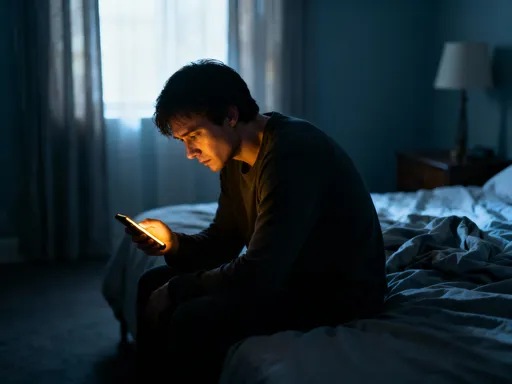
Let’s be real—how many of us have stared at the ceiling at 2 a.m., mentally replaying that awkward thing we said in a meeting ten years ago? Or found ourselves scrolling through photos of someone’s vacation in Bali while our own body screams for rest? I was stuck in that cycle for years. I’d tell myself, ‘Just relax,’ but my brain had other plans. The to-do list from work, the school project I forgot to sign, the laundry still in the dryer—it all came rushing in the moment my head hit the pillow.
And I know I’m not alone. So many women I talk to—moms, professionals, caregivers—say the same thing: bedtime isn’t rest. It’s where the day finally catches up with us. We’ve spent hours managing everyone else’s needs, and now, in the quiet, our minds finally get loud. It’s not just about insomnia. It’s about carrying too much, for too long, and not knowing how to truly let go.
What made it worse was the guilt. I’d think, ‘Everyone else seems to fall asleep fine. Why can’t I?’ I tried everything—warm milk, meditation apps, even those herbal teas that taste like lawn clippings. Some helped a little, but nothing stuck. I’d have one good night and then fall right back into the loop. The exhaustion started to seep into everything. I was short with my kids in the morning. I’d forget appointments. I stopped enjoying things I used to love. Sleep wasn’t just a physical need—it was the foundation of my emotional well-being, and it was crumbling.
Finding Calm in a Tiny Device: My First Encounter
It started with a gift. My sister handed me a small, soft headband-like device one evening and said, ‘Try this. It helped me when I couldn’t sleep after Mom passed.’ I almost put it in a drawer, thinking it was another gadget that would collect dust. But something in her voice made me pause. She wasn’t selling me anything. She was sharing something personal.
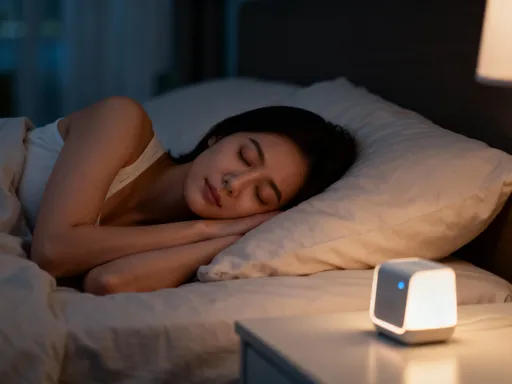
The device looked simple—no flashing lights, no complicated buttons. It wasn’t trying to impress. I slipped it on that night, not expecting much. It played a gentle, rhythmic sound—like waves lapping on a shore, but softer, more internal. Not through speakers, but through subtle vibrations you could feel more than hear. Within minutes, my breathing slowed. My shoulders dropped. I didn’t force myself to relax. I just… did.
That first night, I fell asleep in under twenty minutes—the fastest in years. I didn’t wake up once. When my alarm went off, I didn’t hit snooze three times. I actually sat up. I felt rested. Not ‘I survived the night’ rested. Actually rested. I remember thinking, ‘Did that thing really do that?’ It wasn’t magic. It didn’t erase my stress. But it created a bridge between my busy mind and the rest my body needed.
What surprised me most was how comforting it felt. It wasn’t cold or clinical. It felt like a warm hand on my back, guiding me down. I started looking forward to bedtime, not dreading it. And that shift—wanting to rest—was the real turning point.
How It Gently Reshaped My Evening Routine
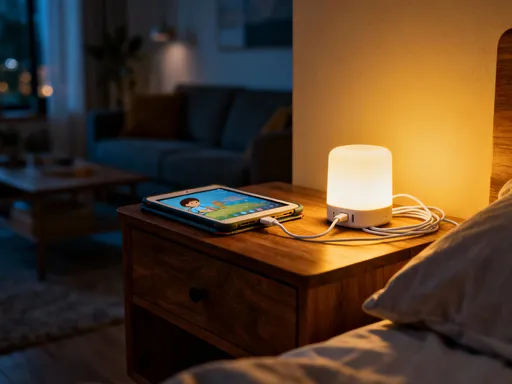
Here’s the thing no one told me: better sleep didn’t start when I put on the device. It started hours before. Once I had something to look forward to at bedtime, I began protecting that time. I used to scroll until my eyes burned, catching up on emails, news, or endless videos. Now, I give myself a 30-minute buffer. No screens. No problem-solving. Just me, a cup of chamomile, and sometimes a book with actual pages.
That small change made a huge difference. My brain stopped seeing bedtime as a deadline and started seeing it as a sanctuary. I began dimming the lights earlier. I’d light a candle—nothing fancy, just a vanilla-scented one from the grocery store. I’d fold the laundry or tidy up, not out of obligation, but as a kind of ritual. These weren’t chores. They were signals: ‘The day is ending. It’s okay to slow down.’
The device became the anchor of that routine. Putting it on felt like pressing a ‘quiet’ button on my life. It wasn’t about escaping reality. It was about honoring it—acknowledging that I’d worked hard, cared deeply, and now, I deserved to rest. And because I wasn’t fighting sleep anymore, I stopped resenting it. I stopped feeling guilty for turning off the world. That peace started spilling into the rest of my evening.
My kids noticed. ‘Mom, you seem calmer at night now,’ my daughter said one evening. And she was right. I wasn’t rushing them to bed so I could finally have time to myself. I was already there, present, peaceful. That shift didn’t just help me—it helped all of us.
From Sleep to Structure: Reorganizing My Day
When you sleep better, your whole day changes. I didn’t believe it at first, but it’s true. I used to hit ‘snooze’ like it was my job. Now, I wake up before the alarm—gently, naturally. And instead of dragging myself through the morning, I actually get things done. I make coffee and sit with it. I write in my journal. I even do ten minutes of stretching—something I hadn’t done in years.
That extra clarity in the morning gave me a kind of power I hadn’t felt in a long time. I started planning my day the night before—simple things, like laying out my clothes or packing lunches early. It sounds small, but those tiny wins added up. I wasn’t starting each day behind. I was starting ahead.
My focus improved, too. I stopped forgetting where I put my keys or zoning out during meetings. I could hold multiple thoughts at once without feeling overwhelmed. I began scheduling tasks in blocks—work, family time, self-care—instead of letting everything bleed together. And because I had more energy, I stopped relying on sugar and caffeine to get through the afternoon.
The real surprise? I started saying ‘no’ more. Not out of frustration, but out of clarity. I realized I didn’t have to attend every event, answer every text right away, or volunteer for every school committee. I had limits—and that was okay. Better than okay. It was necessary. And protecting my energy started with protecting my sleep.
A Ripple Effect on My Home and Relationships
When I’m rested, I’m a better version of myself—and my family feels it. Mornings used to be chaos: shouting, spilled cereal, last-minute homework searches. Now, they’re calm. I’m not rushing. I’m not snapping. I make pancakes on weekends. We eat together. We talk.
My husband noticed first. ‘You’re less tense,’ he said. ‘You actually laugh in the morning.’ It made me realize how much tension I’d been carrying—and how much I’d been passing on. When I’m not exhausted, I’m more patient. I listen more. I don’t take small things personally. I have space to care, not just react.
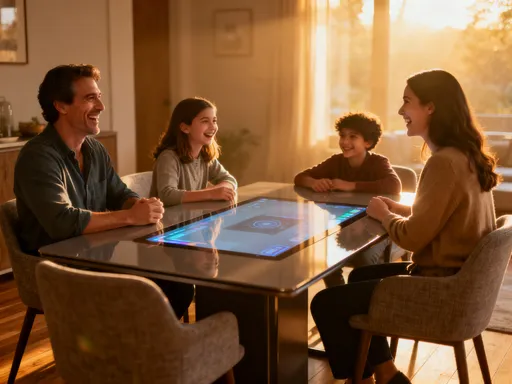
Even our home feels different. The energy is lighter. We’ve started having ‘no-phone’ dinners twice a week. We play board games. We go for walks after dinner. These aren’t grand gestures. They’re simple moments of connection—but they only became possible because I wasn’t running on empty.
And it’s not just my immediate family. I’m more present with my friends. I remember to call my mom. I show up for coffee dates without needing a nap afterward. I’m not just physically there—I’m emotionally available. That shift didn’t come from a self-help book or a weekend retreat. It came from finally giving myself permission to rest.
What I Learned About Self-Care Beyond the Gadget
Here’s what I’ve realized: the device didn’t fix my life. It helped me create space to fix it myself. It wasn’t the answer—it was the invitation. And that’s the biggest lesson I’ve learned about self-care. It’s not about bubble baths or expensive retreats. It’s about the small, consistent choices that honor your well-being.
Before, I thought self-care was something I’d do ‘when I had time.’ Now I know: I have to make time. That means setting boundaries—like not checking work emails after 8 p.m., or not saying ‘yes’ to every request. It means protecting my rest like it’s sacred, because it is. When I’m depleted, I can’t care for anyone—not my kids, not my partner, not even myself.
The device taught me that technology doesn’t have to be draining. Some tools can actually help us unplug. It’s not about rejecting tech—it’s about choosing the right kind. The kind that supports us, not steals from us. That quiet hum it plays isn’t just noise. It’s a reminder: ‘You are safe. You are enough. You can rest now.’
And that message? That’s the real gift. It’s not just about falling asleep faster. It’s about believing I deserve to.
Why This Isn’t Just About Sleep—It’s About Living Better
Better sleep didn’t just change my nights. It changed my life. I have more energy. More patience. More joy. I’m not just surviving—I’m living. I’ve started painting again, something I loved in college but gave up when life got busy. I joined a book club. I even signed up for a weekend workshop on mindful living.
But the biggest change? I feel like myself again. Not the version of me that’s always on, always doing, always giving. But the me that’s quiet, reflective, kind. The me that remembers to look up at the sky. The me that can sit with a moment and just be.
Investing in rest isn’t selfish. It’s essential. It’s how we refill our cup so we can pour into others. It’s how we stay present in our own lives. And it’s one of the most powerful acts of self-respect we can practice every single day.
If you’re lying awake tonight, mind racing, heart heavy—know this: you’re not broken. You’re not failing. You’re just tired. And that’s okay. But you don’t have to stay there. Small changes can lead to big shifts. Start with one night. One quiet moment. One breath. Let yourself rest. Because you deserve it. And the world needs the best version of you—the one who’s had a good night’s sleep.