I never have time to talk" — How nightly video diaries quietly brought us back together
Family moments slip away fast — between work deadlines, school runs, and endless to-do lists. You love your people deeply, but real connection? It feels like a luxury you can’t afford. I felt the same — until a simple habit changed everything. No grand gestures, just a few minutes each night. This is the story of how family video diaries, tucked into the corners of our busy days, rebuilt what was fading: presence, understanding, and shared memory — one honest moment at a time.
We’re Together, But Not Really — The Slow Drift in Busy Family Life
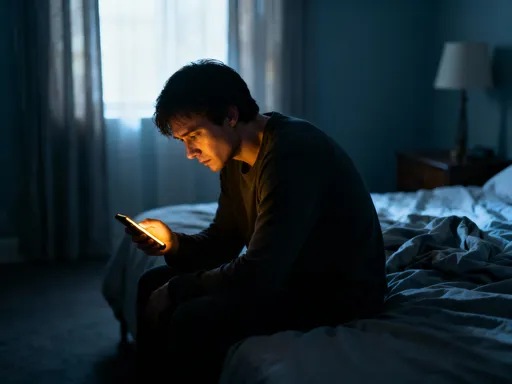
Have you ever sat at the dinner table, everyone physically present, yet somehow miles apart? Your teenager’s eyes are down, scrolling. Your partner’s mentally still at the office. And you? You’re already thinking about tomorrow’s meetings, the laundry, the grocery list. That was our life — not because we didn’t care, but because life kept pulling us in different directions. We were a family in motion, but not really connecting.
I remember one night, I tucked my daughter in late — again. She whispered, “You missed the story.” My heart sank. I’d been at a client call. Important, yes, but not more important than her. And that wasn’t the first time. It wasn’t even the fifth. The missed moments started piling up like unopened mail — small at first, then heavy with meaning. I’d ask, “How was your day?” and get the usual: “Fine.” “Good.” “Okay.” Surface answers. No real window into their world.
And it wasn’t just the kids. My husband and I were running parallel lives. We passed each other in the hallway like polite roommates. “Did you pick up milk?” “Yes.” “Did you talk to the school?” “No, did you?” We loved each other, deeply — but we weren’t seeing each other. We weren’t hearing each other. The truth is, emotional distance doesn’t always come from big fights. Sometimes, it creeps in quietly, through absence. Through not being truly present, even when you’re in the same room. And I realized: love isn’t just about showing up. It’s about being seen when you do.
The Moment Everything Shifted — Discovering a Simple Tech Habit
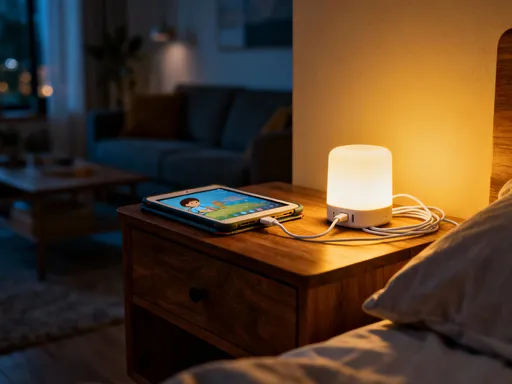
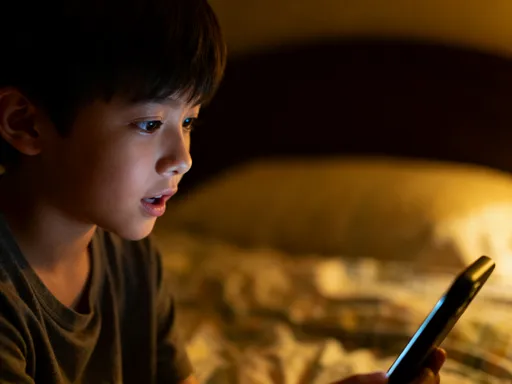
The turning point came on a random Tuesday. Nothing dramatic. My daughter had stayed up late finishing a school project. I walked in to say goodnight and found her watching a video on her tablet. It was a clip she’d recorded earlier that day — just her, talking about her science experiment, showing her volcano model, laughing when it bubbled over. I sat down and watched it with her. And something clicked.
She was so alive in that video — excited, proud, expressive. This was the version of her I missed during dinner. And I thought: what if we could share this kind of moment every day? Not for an audience, not for likes, but just for us? What if, instead of asking “How was your day?” and getting “fine,” I could actually see her face, hear her voice, feel her energy?
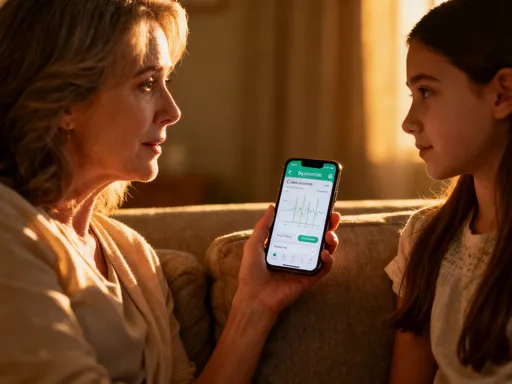
That’s when I stumbled on the idea of nightly video diaries — not as a performance, but as a quiet check-in. A personal message, just for the family. No script, no editing, no pressure. Just a few minutes before bed, each of us recording a short clip on our phones. I found a private, secure app where we could all upload our videos to a shared family space. No social media, no strangers, just us.
The first night, I went first. I said, “Hi everyone. Today was busy, but I’m so proud of how you both handled the morning chaos. Love you.” I hit send. My hands were shaking a little — it felt vulnerable. But the next morning, my daughter said, “Mom, I watched your video. You looked tired. Did you sleep okay?” That was the first time in months she’d noticed how I was feeling. And I realized: this wasn’t just about sharing our days. It was about being seen.
How Video Diaries Work Without Adding More to Your Plate
I know what you’re thinking: “Another thing to do? Another screen time habit? I can barely keep up as it is.” I felt the same at first. But here’s the surprise — this isn’t an extra task. It’s actually simpler than texting. Think about it: you already pick up your phone at night. You already spend time scrolling. What if, instead of losing 20 minutes to random videos, you spent two minutes creating one that matters?
The beauty of this habit is in its simplicity. We use a private family app — one that automatically syncs our videos and stores them securely. No uploading to the cloud, no worrying about privacy. Just open the app, hit record, speak from the heart, and send. The videos are short — one to two minutes max. Sometimes, my son just says, “Hi. I’m tired. Goodnight.” And that’s enough. It’s not about content. It’s about connection.
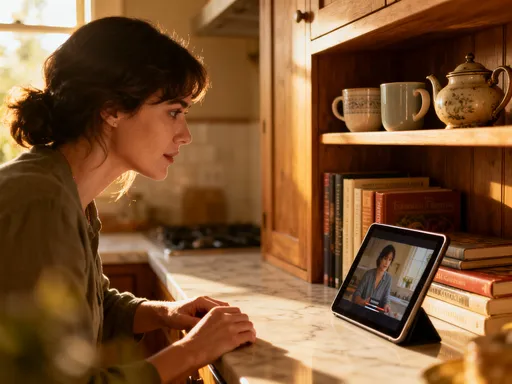
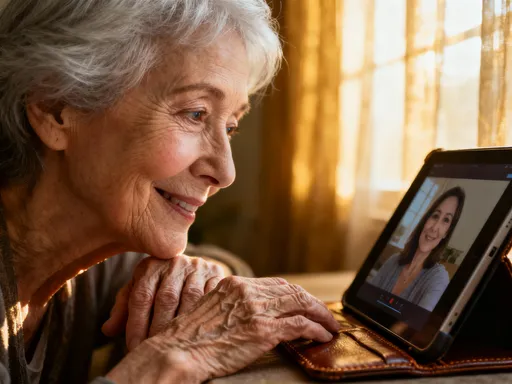
The technology does the heavy lifting. The app sends a gentle reminder at bedtime. It organizes the videos by date and person. We can watch them anytime — in the morning with coffee, on the way to school, or even when someone’s away. My mom lives three hours away, but she’s part of our circle now. She records her nightly message, and the kids watch it before bed. It’s like she’s tucking them in, even from afar.
And here’s what most people don’t expect: it actually saves time. Because now, when we sit down for dinner, we’re not starting from zero. I already know my daughter had a hard day at soccer tryouts. My husband already knows I was nervous about my presentation. So instead of “How was your day?” we can say, “I saw your video — that must’ve been tough. Want to talk about it?” The conversation goes deeper, faster. And that’s where the real magic happens.
When Screens Actually Bring People Closer — The Emotional Ripple Effect
Let’s be honest — we’ve all been taught to fear screens. They steal attention. They isolate. They replace real talk. But what if, used intentionally, technology could do the opposite? What if a screen could actually help us feel closer?
That’s exactly what happened. My teenage son, who used to shut down at the slightest question, started opening up — on camera. One night, he said, “I didn’t make the team. I know you’re disappointed.” My heart broke. I had no idea he thought that. I replied the next night in my own video: “I’m not disappointed in you. I’m proud of you for trying. That takes courage.” He watched it, came to my room, and just hugged me. No words. But everything was said.
These videos became a safe space — a place where feelings could be shared without interruption, without judgment. A place where someone could say, “I’m sad,” or “I’m proud,” or “I miss you,” without having to hold eye contact or defend it. And slowly, the energy in our home changed. We started listening better. We started noticing more.
One morning, my daughter said, “Dad, I saw your video. You looked stressed. Do you want me to make you breakfast?” He smiled — really smiled — and said yes. That small moment wouldn’t have happened before. But now, because he’d shared his day honestly, she responded with care. That’s the ripple effect: when someone feels seen, they’re more likely to see others. It builds empathy, one clip at a time.
And for me, as a working parent, it changed everything. I still work late sometimes. But now, even if I’m not home for bedtime, I can still be part of it. I record my message from the office, and my kids watch it before they sleep. They see my face. They hear my voice. They know I’m thinking of them. It’s not perfect — but it’s present. And that makes all the difference.
Beyond “How Was Your Day?” — Building a Living Archive of Who We Are
We take photos. We save birthday cards. We keep school artwork in folders. But how often do we capture how our family *felt* on an ordinary Tuesday? The laughter over burnt toast. The quiet pride after a hard day. The way my daughter used to say “I wuv you” before she learned to spell. Those moments live in memory — until they don’t.
That’s why this habit became so much more than daily check-ins. It became a living archive of our family. A collection of real, unfiltered moments — not posed, not polished, but true. We’ve saved videos from holidays, school events, even rainy days when everyone was in pajamas watching movies. We’ve kept the hard ones too — the night my son failed his test, the day I lost a job, the time my husband had surgery. Those clips aren’t sad. They’re sacred. They show us how we’ve grown. How we’ve held each other through life.
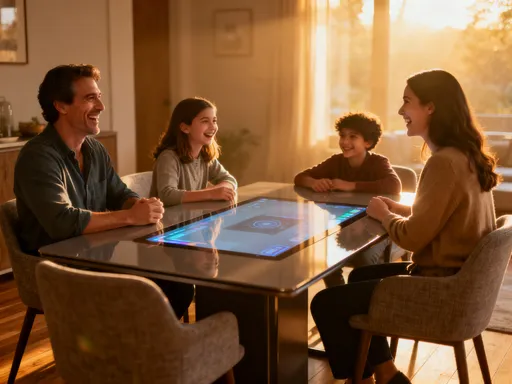
Last month, we watched videos from a year ago. My daughter is taller now. Her voice is deeper. My son laughs more freely. And I saw how much calmer my husband looked after starting his new job. It was like watching a time-lapse of our lives. And in that moment, I realized: this isn’t just a tech habit. It’s a legacy. One day, our kids will show these to their children. They’ll say, “This is how Grandma used to laugh. This is how Grandpa encouraged us. This is who we were.”
And unlike photos or texts, videos carry tone, emotion, presence. You can hear the crack in someone’s voice when they’re trying not to cry. You can see the spark when they’re proud. You can feel the love, even years later. It’s not about creating a perfect record. It’s about preserving the imperfect, beautiful truth of who we are — together.
Making It Work for Real Life — Tips to Start Without Pressure
I won’t lie — starting felt awkward at first. My first video was stiff. I smiled too much. My son just stared at the camera and said, “Uh… I played Fortnite.” But here’s what I’ve learned: perfection is the enemy of connection. This isn’t about performance. It’s about presence. And the best part? You can start small, with zero pressure.
Here’s how we made it work: First, we started with just two people — me and my daughter. Once it felt natural, we invited my son. Then my husband. Then my mom. No one was forced. Everyone joined when they were ready. We kept the videos short — under two minutes. Sometimes, it’s just a wave and a “Love you.” That counts.
We use a well-known family sharing app with strong privacy settings. No public posts, no data mining. Just a secure space for us. We set a nightly reminder — same time every night, right after brushing teeth. It’s become part of our routine, like washing our faces or setting the alarm. And if someone misses a night? No guilt. No lectures. We just say, “We missed you. Glad you’re back.”
The key is consistency, not perfection. Even if you only do it three nights a week, it builds connection. And if someone records silence? That’s okay too. Sometimes, just showing up on camera — even without words — says, “I’m here. I’m part of this.”
And don’t worry about what to say. Try prompts: “One thing I’m grateful for today…” “Something that made me smile…” “A challenge I faced…” But mostly, just speak from the heart. Talk to them like they’re right there. Because they are — just not in the same room.
More Than a Habit — How Small Moments Reshape Family Culture
What started as a tech experiment became something deeper — a quiet revolution in how we relate to each other. Our family culture shifted from transactional to relational. Instead of “Did you finish homework?” we started asking, “I saw your video — you seemed upset. Want to talk?” Instead of brushing past each other, we pause. We listen. We care.
This habit taught us emotional awareness — not just expressing our feelings, but noticing them in others. My daughter now says, “Mom, you sound tired. Do you need a hug?” My son checks in on his grandpa after watching his video. These small moments of empathy didn’t come from lectures or rules. They came from seeing each other — really seeing — in the quiet honesty of a nightly clip.
And for me, it restored a sense of belonging. In the rush of daily life, it’s easy to feel like a manager — scheduling, cooking, cleaning, reminding. But in these videos, I’m not just a mom. I’m a person. I share my fears, my joys, my silly moments. And my family sees me — not just as a caregiver, but as a whole human being. And they do too. We all do.
The real win isn’t more screen time. It’s deeper connection. It’s preserved memories. It’s the quiet certainty that no matter how busy life gets, we’re still a family. We still matter to each other. We still belong.
So if you’re feeling that slow drift — if you love your people but feel far from them — try this. Just one night. Record a short message. Say something real. Send it to them. You don’t need perfect lighting or a script. You just need to show up. Because sometimes, the smallest moments — a voice, a face, a few honest words — are enough to bring a family back together. And that’s a technology worth using.