I kept saying ‘I’ll just check one thing’ — now I actually mean it
You know that moment — you pick up your phone to send one quick message, and suddenly it’s an hour later? I lived like that for years, trapped in endless scrolls and notifications. Then I started paying attention to how screen time shaped my energy, sleep, even my relationships. What changed wasn’t willpower — it was using simple tools to reshape my daily rhythm. This isn’t about quitting tech; it’s about making it work for you, not against you. Let me show you how small shifts can bring real calm.
The Rhythm That Controls Us (Without Us Realizing It)
Mornings used to start the same way for me: eyes barely open, hand already reaching for the phone. Just one quick check, I’d tell myself. Emails, weather, news, a few texts — nothing urgent, but enough to pull me out of that quiet, peaceful state right after waking. And by the time I got out of bed, my mind was already racing. I didn’t realize it then, but that small habit was setting the tone for my whole day. The truth is, our devices aren’t just tools — they’re part of our environment, and like lighting or music, they shape how we feel and think. That first burst of information — even if it’s just social media — floods the brain with stimuli before it’s ready. It’s like turning on all the lights in a dark room while you’re still half-asleep. No wonder I felt scattered before breakfast.
Our bodies have natural rhythms — circadian patterns that regulate sleep, energy, and focus. But when we interrupt them with digital noise, we’re essentially asking our brains to multitask before they’ve even woken up. I used to blame myself for feeling sluggish or unfocused in the mornings. I thought I needed more discipline or better coffee. But the real issue wasn’t me — it was the rhythm I was living in. The constant pull of notifications, the fear of missing something, the habit of checking — these weren’t signs of laziness. They were signs of a system that’s designed to keep us engaged, not rested. And once I started seeing it that way, I stopped feeling guilty and started feeling curious. What if I could design my mornings differently? What if I could give myself the space to wake up — really wake up — before diving into the digital world?
When “Just One More Minute” Becomes Hours
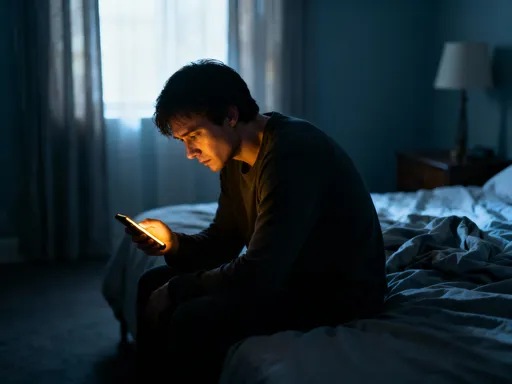
Evenings were another story. After a long day of managing work, kids, meals, and chores, all I wanted was to relax. So I’d sit on the couch, phone in hand, telling myself, “Just five minutes of scrolling.” But five turned into twenty, then forty, then an hour. I wasn’t even enjoying most of what I was watching — just mindlessly tapping through videos, memes, and updates. And when I finally put the phone down, I didn’t feel relaxed. I felt wired, restless, and strangely empty. My body was tired, but my mind was still buzzing. I couldn’t shut it off.
That’s when I realized something important: screen time wasn’t just stealing my minutes — it was stealing my recovery time. Our brains need downtime to reset, especially after a busy day. But endless scrolling doesn’t give the brain a break. It’s like trying to rest while someone keeps tapping you on the shoulder. The brain stays in a low-level state of alertness, waiting for the next notification, the next interesting post. And over time, that wears us down. I started noticing how these habits were affecting my sleep. I’d lie in bed, unable to fall asleep, my thoughts racing. My daughter even mentioned, “Mom, you seem distracted lately.” That hit me hard. I wasn’t present — not with her, not with myself. The screen was supposed to help me unwind, but instead, it was keeping me from truly resting.
What made it worse was the cycle: poor sleep led to low energy the next day, which made me rely more on screens for stimulation, which made it harder to sleep again. It wasn’t that I lacked willpower — it was that the environment was working against me. The apps I used weren’t designed to help me relax. They were designed to keep me scrolling. And I was falling for it every time.
Seeing the Pattern: How Tracking Brought Clarity
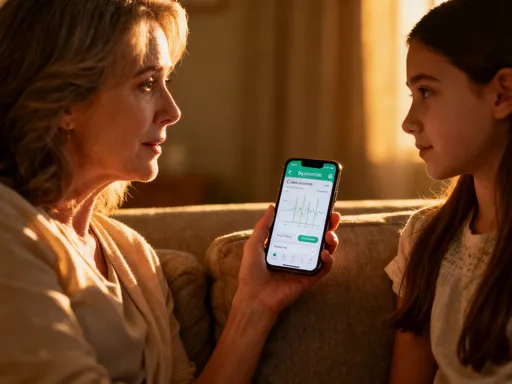
The turning point came when I decided to stop guessing and start observing. I turned on the screen time tracking feature on my phone — not to punish myself, but to understand. I wasn’t ready to make big changes yet. I just wanted to see what was really happening. When I looked at the numbers after a week, I wasn’t shocked — I was curious. Three hours a day on social media? Most of it between 7 PM and 10 PM. And nearly an hour first thing in the morning. But more than the total time, it was the pattern that stood out. I saw that I reached for my phone every time I felt bored, stressed, or even just paused between tasks. It had become my automatic response — like breathing.
What surprised me most was how my mood changed after heavy screen use. On days when I spent more than two hours on my phone in the evening, I felt more anxious, less patient, and more tired — even if I’d been physically inactive. On lighter days, I felt calmer, more connected, and more present with my family. The data wasn’t judging me — it was showing me a cause-and-effect relationship I’d been ignoring. And that made all the difference. I didn’t need to feel guilty. I just needed to make better choices — not all at once, but one at a time.
Tracking also helped me notice triggers. I realized I reached for my phone most when I was avoiding something — folding laundry, answering emails, or even just sitting with my thoughts. It wasn’t the phone I was addicted to — it was the escape. Once I saw that, I could start offering myself alternatives. A cup of tea. A few minutes of stretching. Writing down what I was feeling. Small things, but they gave me space to choose, instead of react.
Designing a Tech Environment That Supports You
Once I understood my habits, I started making small changes to my phone — not to punish myself, but to make it easier to do what I really wanted. I turned off notifications for everything except calls and texts. No more buzzes for social media, shopping apps, or news alerts. That one change reduced the number of times I picked up my phone by half. It’s amazing how much of our screen time is just reacting to pings we didn’t ask for.
I also set app limits for social media. I allowed myself 30 minutes a day — not as a strict rule, but as a gentle boundary. When the timer goes off, it doesn’t feel like a punishment. It feels like a reminder: “Hey, you’ve had your time. Is this still serving you?” Sometimes I extend it. Sometimes I don’t. But now it’s a choice, not a habit.
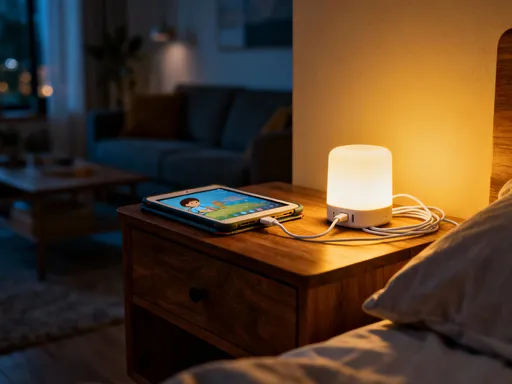
Another game-changer was switching my phone to grayscale mode at night. It sounds small, but removing the color made everything less exciting. Scrolling through photos wasn’t as tempting when everything looked dull. It wasn’t about making the phone ugly — it was about reducing the emotional pull. I also moved social media apps off my home screen and into a folder labeled “Time Sinks.” Out of sight, out of mind. And I started charging my phone outside the bedroom. That meant no more midnight checks, no more waking up to blue light. I replaced it with a real alarm clock — simple, old-school, and surprisingly freeing.
These weren’t extreme measures. I didn’t delete my accounts or go on a digital detox. I just adjusted the environment so it supported the life I wanted — not the one I’d accidentally fallen into. And the best part? I still use my phone. I still message friends, check the weather, and watch the occasional video. But now, I’m in charge. I decide when, how long, and why.
Reclaiming Your Evenings — and Your Sleep
I decided to try a seven-day experiment: no screens after 8 PM. I called it my “digital sunset.” At first, it felt strange. I’d sit on the couch, hands twitching, looking around for my phone. But I had a plan. I kept a book nearby. I lit a candle. I started knitting again — something I hadn’t done in years. The first two nights were hard. But by night three, something shifted. I started looking forward to that quiet time. I read more in one week than I had in months. I had deeper conversations with my daughter. We played cards. We talked about school, her dreams, her worries. I realized how much I’d been missing.
And then, the sleep changes. I started falling asleep faster. I woke up fewer times during the night. I didn’t need three cups of coffee to feel awake. My energy felt more stable, more natural. I wasn’t just sleeping more — I was resting better. I learned that blue light from screens suppresses melatonin, the hormone that helps us sleep. But it’s not just the light — it’s the mental stimulation. Scrolling keeps the brain active, making it harder to transition into rest. By creating a screen-free wind-down routine, I was giving my body and mind the signal: it’s time to slow down.
Now, my evenings have a rhythm. Dinner, cleanup, maybe a short walk. Then, no screens. I might journal, listen to soft music, or just sit and breathe. It’s not perfect every night, but it’s becoming a habit — a good one. And the best part? I feel more present. More like myself. I’m not just going through the motions. I’m actually living my evenings, not just surviving them.
Finding Focus in a Fragmented World
One of the most unexpected benefits of reducing screen time was how much easier it became to focus. I used to think I was bad at concentrating — that my brain just wasn’t wired for it. But now I realize it wasn’t my brain. It was my habits. When you’re used to constant switching — from app to app, thought to thought — your attention becomes scattered. It’s like trying to hear one conversation in a noisy room.
But as my screen time decreased, something beautiful happened. I could read a whole article without checking my phone. I finished a book — cover to cover — in less than a week. I even started writing again, something I hadn’t done since college. I sat with my thoughts longer. I noticed small details — the way light hits the trees in the morning, the sound of my daughter’s laugh, the taste of my coffee. These weren’t grand moments. But they were real. And they mattered.
I also found I could be more present in conversations. I wasn’t mentally scrolling while someone spoke. I listened — really listened. My daughter noticed. “Mom,” she said, “you’re not looking at your phone as much.” I smiled. That was the greatest compliment. Because being present isn’t just about time — it’s about attention. And attention is love. When we give someone our full attention, we’re saying, “You matter.” And when we give ourselves that attention, we’re saying, “I matter.”
A Calmer Life, One Small Change at a Time
Looking back, I realize I didn’t need a dramatic overhaul. I didn’t need to quit tech or become a digital minimalist. I just needed to make small, intentional changes that added up. I stopped fighting myself and started designing my environment to support the life I wanted. And the results? More calm. Better sleep. Deeper connections. A sense of control I hadn’t felt in years.
This journey wasn’t about restriction — it was about rhythm. About aligning my tech use with my natural energy, my values, my relationships. It was about respect — for my time, my attention, my peace. And it was about reconnection — with myself, with my family, with the quiet moments that make life meaningful.
If you’re reading this and thinking, “I do that too,” I want you to know — you’re not alone. And you don’t have to change everything at once. Start with one small step. Maybe it’s leaving your phone in another room while you eat dinner. Maybe it’s turning off one notification. Maybe it’s reading this article without checking your messages. Just one honest moment. Because the truth is, we don’t need more willpower. We need better systems. We need kindness. We need to remember that technology should serve us — not the other way around.
So the next time you pick up your phone and say, “I’ll just check one thing,” pause. Take a breath. And mean it. Because you can. And your life — your calm, your focus, your presence — is worth it.