Tired of Losing Family Stories to Time? This Simple Tool Kept Ours Alive
Have you ever sat across from a parent or grandparent and realized how much you don’t know about their life? The laughter, struggles, and quiet moments that shaped them often slip away in everyday conversation. I felt that ache too—until I discovered how just a few minutes with my phone could preserve not just words, but voices, emotions, and connections. It wasn’t about technology; it was about keeping love alive. That soft chuckle when Grandma tells a story about sneaking cookies as a child, the way Dad’s voice cracks when he talks about his first car—these aren’t just memories. They’re pieces of our hearts. And now, thanks to a simple app, we don’t have to fear losing them.
The Quiet Loss No One Talks About
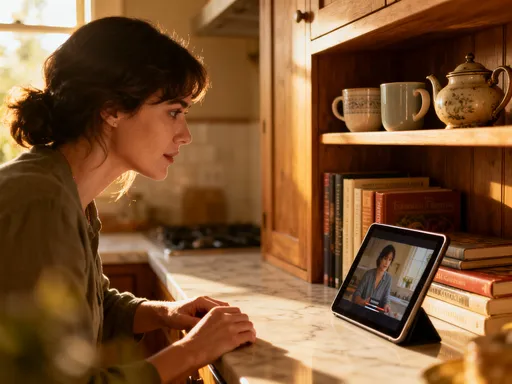
It happens so quietly, we don’t even notice it until it’s too late. A chair sits empty at the dinner table. A familiar voice is missing from holiday calls. And suddenly, we realize—we never asked. We never recorded the story of how Mom met Dad on a rainy bus ride. We never captured the sound of Uncle Joe whistling that old tune from his youth. The stories that made up our family’s soul are gone, not with a bang, but with a whisper. I remember sitting in my childhood kitchen after my grandmother passed, staring at her favorite teacup, wishing I’d asked her one more time about her journey across the ocean as a young woman. But I hadn’t. And now, no matter how hard I try to remember her words, her exact tone, her little pauses—those details are fading.
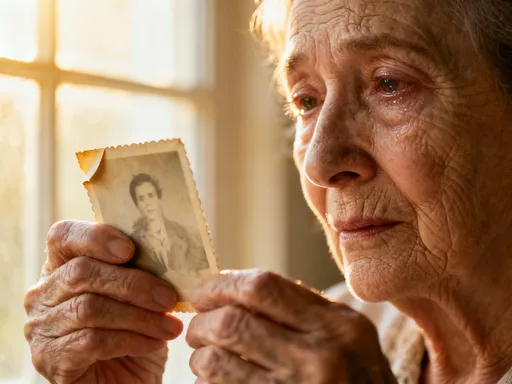
This kind of loss isn’t dramatic, but it’s deep. It’s the ache of realizing that the people who shaped us are slipping away in more ways than one. Their physical presence is gone, yes, but so are the small, rich details that made them who they were. And it’s not just about the past. Without these stories, the next generation grows up with a quiet gap in their identity. They know their family tree in names, but not in spirit. They can’t hear the pride in their grandfather’s voice when he talks about working two jobs to buy a home. They can’t feel the warmth in their aunt’s laughter when she recalls her first dance. These aren’t just anecdotes—they’re emotional heirlooms.
What’s heartbreaking is how preventable this loss can be. We live in a world where we record everything—meals, workouts, pet tricks—but so many of us still don’t think to record the voices of the people we love most. It’s not because we don’t care. It’s because we assume there will always be time. We tell ourselves, 'I’ll ask her next week,' or 'I’ll record him during the holidays.' But life gets busy. Health changes. Conversations get cut short. And before we know it, the moment has passed. The truth is, time doesn’t wait. And neither should we.
How Storytelling Became Our Family’s Anchor
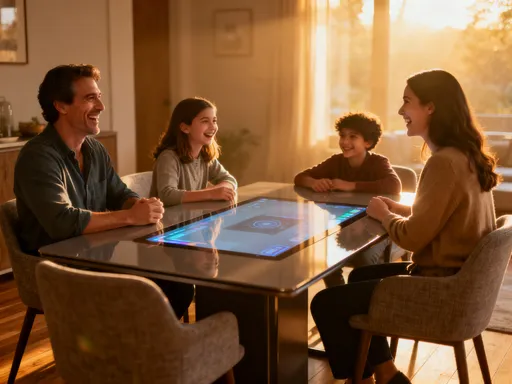
Long before I thought about recording anything, storytelling was already woven into the fabric of our family life. I remember Sunday afternoons at my parents’ house, where we’d gather around the living room after lunch, and somehow, someone would start talking. Maybe it was Dad reminiscing about fixing cars with his brother, or Aunt Carol laughing about the time she accidentally dyed her hair purple. These weren’t grand speeches. They were casual, heartfelt moments. But over time, I realized something powerful: these stories weren’t just entertainment. They were glue. They held us together.
Research shows what our hearts already know—sharing personal stories strengthens family bonds and supports emotional well-being. When children hear stories about their relatives’ lives, they develop a stronger sense of identity. They feel rooted. They understand where they come from, and that gives them confidence in who they are. For older adults, being asked to share their life experiences isn’t just nice—it’s validating. It tells them, 'You matter. Your life mattered.' In a world that often rushes past elders, this kind of attention is a gift.
But storytelling does more than build connection—it builds resilience. When a child hears how their grandparent survived tough times, it gives them courage in their own struggles. When a teen learns how their mom handled heartbreak or failure, it normalizes hard emotions and shows that healing is possible. These stories are quiet lessons in strength, love, and perseverance. And when we record them, we’re not just saving memories—we’re passing on wisdom. I’ve seen it in my own family. My niece, after hearing a recording of her great-grandmother talking about leaving home at 16 to work in a factory, said, 'I didn’t know she was so brave.' That moment changed how she saw herself. She started believing she could be brave too.
Storytelling also helps us process grief. When someone we love passes, hearing their voice again—even for a few seconds—can be incredibly comforting. It’s not about replacing them, but about keeping their presence alive in a real, tangible way. And for families dealing with memory loss, like my cousin’s mom who was diagnosed with early dementia, listening to old recordings became a way to reconnect with herself. 'I forgot I used to sing in the choir,' she said, tears in her eyes after hearing a clip of her younger voice. That moment wasn’t just nostalgic—it was healing.
From Missed Moments to Meaningful Recordings
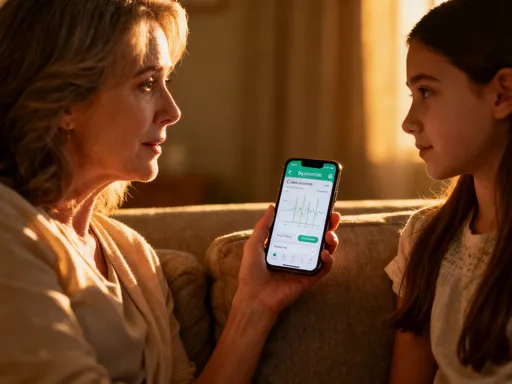
The shift for me didn’t come from a grand plan. It came from a quiet moment. My grandpa was visiting, sitting in his favorite armchair, sipping tea. He started talking about the war—not the big battles, but the small things. The taste of the rations, the way the sun looked over the fields at dawn, the letter he wrote to his sister that he never sent. I reached for my phone, opened the voice memo app, and hit record—without asking, almost without thinking. Afterward, I played it back. And there it was: his voice, steady and warm, full of detail and feeling. I hadn’t just saved words. I’d saved a piece of him.
That moment changed everything. I realized I didn’t need special equipment. I didn’t need to be a tech expert. I just needed to care enough to press a button. And the beauty of it was, Grandpa didn’t even notice. The conversation flowed naturally. I wasn’t interviewing him—I was listening, and the recording happened alongside that. That’s the key: it’s not about performance. It’s about presence. The most powerful recordings aren’t scripted. They’re the off-the-cuff stories that rise up in the middle of a chat, the ones shared with a smile or a sigh.
Since then, I’ve recorded dozens of moments—my mom describing her first job at a bakery, my brother talking about his first concert, my daughter giggling as she tells me about her best friend. Some are long. Some are just 30 seconds. But each one feels like a treasure. And the best part? They’re easy to store, easy to share. I’ve sent clips to cousins across the country. I’ve played them at family gatherings. They’ve sparked new conversations, brought back forgotten details, and made everyone feel closer. It’s amazing how a simple recording can do that.
Choosing the Right Tool Without the Tech Stress
When I first started, I used the basic voice memo app on my phone. And honestly, it worked fine. But as I collected more clips, I realized I needed something better—something that would keep everything organized, safe, and easy to find. I didn’t want to risk losing recordings if my phone broke or got lost. I also wanted a way to share them with family without sending dozens of clunky audio files. So I started looking for tools designed for this kind of thing—apps that make preserving family stories simple and meaningful.
Not all apps are the same. Some are too complicated, full of features I didn’t need. Others didn’t feel secure. What I wanted was something easy to use, with good sound quality, automatic cloud backup, and privacy controls. I also appreciated features like automatic transcription—so I could read the story later if I couldn’t listen—and the ability to add tags like 'Mom,' 'childhood,' or '1950s' so I could search for specific memories. Most importantly, I wanted a space where family members could contribute and listen, no matter where they lived.
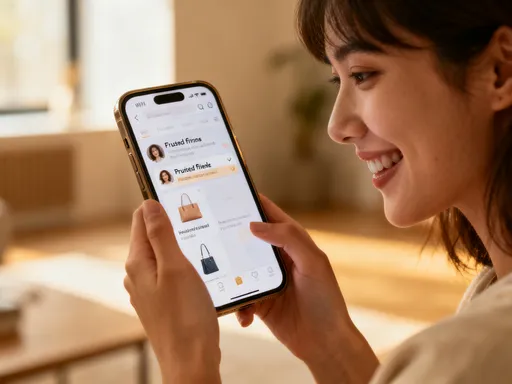
After trying a few options, I found a storytelling app that felt just right. It wasn’t flashy. It didn’t require a steep learning curve. But it did what mattered: it kept the focus on the stories, not the tech. I could record directly in the app, add a photo, write a short note, and save it to a private family timeline. Other family members could access it with a simple invite. My sister started adding her own recordings. My nephew uploaded a story from his grandpa that I’d never heard. It became a living archive—warm, personal, and growing over time.
The best part? It felt safe. The app didn’t sell data. It didn’t show ads. It wasn’t trying to go viral. It was built for one purpose: helping families keep their stories alive. And because it stored everything in the cloud, I didn’t have to worry about losing years of memories to a broken device. For someone like me—who’s not a tech whiz—this kind of peace of mind made all the difference.
Making Recording a Natural Part of Life
The biggest mistake I see people make is thinking they need a perfect setup—a quiet room, a formal interview, a list of serious questions. But that pressure kills the magic. The most authentic stories come from real moments. So I stopped planning and started listening. Now, recording is just part of how I connect. A walk with my mom? I might pull out my phone when she starts talking about her school days. A lazy Sunday with my kids? I’ll ask my daughter, 'Tell me about your favorite day this week,' and record her answer. It’s not an event. It’s a habit.
I’ve learned that short clips add up. Even 60 seconds can hold something powerful. The key is consistency, not perfection. I don’t worry about background noise or long pauses. Those aren’t flaws—they’re real life. That’s what makes the recordings feel true. And over time, I’ve built a collection that feels like a soundtrack of our family.
If you’re not sure where to start, try this: pick a quiet moment—after dinner, during a drive, while looking at old photos—and ask one simple question. 'What’s a memory that still makes you smile?' 'What was something you were really proud of as a kid?' 'What’s a lesson you learned the hard way?' Let the conversation flow. If it feels natural, hit record. You don’t have to capture everything. Just start with one story. One voice. One moment.
And don’t forget to include the younger ones too. Ask your child, 'What do you love most about school?' or 'What makes you feel brave?' Their voices will change. Their thoughts will grow. But having a recording of their little voice, full of wonder and honesty, will mean the world someday. I played a recording of my daughter at age five for her at twelve. She laughed and said, 'I can’t believe I used to say 'fwen' instead of 'friend'!' But then she hugged me and whispered, 'I’m glad you saved that.'
When Technology Meets Emotion: Real Impact Stories
It’s one thing to say that recording voices is meaningful. It’s another to see what it actually does in real life. I’ve watched this simple act bring tears, laughter, and healing in ways I never expected. A friend of mine played a recording of her late father at his memorial service. She chose a clip where he was telling a joke—his voice full of joy. People laughed through their tears. 'It felt like he was there,' she said. That moment wasn’t about the app. It was about connection.
Another story: my cousin’s daughter, who was born after her grandmother passed, got to hear her voice for the first time through a recording. It was a lullaby, sung in their native language. The little girl didn’t understand the words, but she felt the love. She asked to hear it every night before bed. That recording didn’t just preserve a song—it passed on a piece of culture, a thread of belonging.
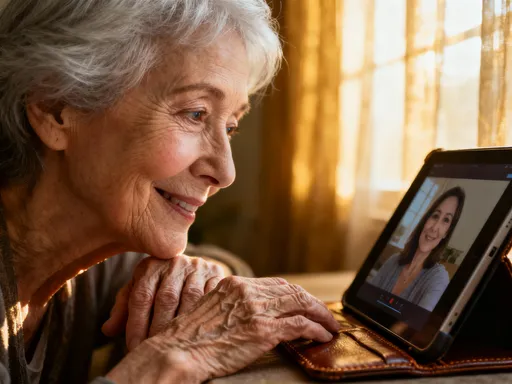
And then there’s the story of my neighbor, an older woman with early memory loss. Her family started playing recordings of her younger self—telling stories, singing, laughing. At first, she didn’t recognize her own voice. But over time, something shifted. She began smiling. Then humming along. Then sharing fragments of the memories again. Her daughter told me, 'It’s like the recordings are helping her find herself again.' That’s not just memory preservation. That’s dignity. That’s love in action.
These aren’t rare miracles. They’re what happens when we give ourselves permission to be intentional. We don’t need fancy tools or perfect conditions. We just need to care enough to press record. And when we do, we create something far bigger than data—we create emotional legacy.
Building a Legacy, One Voice at a Time
At the end of the day, this isn’t about technology. It’s about love. It’s about making sure the people who shaped us aren’t forgotten. It’s about giving future generations more than names and dates—they’ll have voices. They’ll have laughter. They’ll have the sound of a life well lived.
Future generations won’t care which app you used. They won’t care about file formats or cloud storage. But they will care about hearing Grandma’s voice telling her favorite story. They’ll care about Dad singing that silly song he made up for bedtime. They’ll care about the way their great-aunt laughed when she told a joke. Those moments are irreplaceable. And now, thanks to the tools we carry in our pockets, they don’t have to be lost.
So start small. Pick one person. Ask one question. Press record. Don’t wait for the 'right time.' There may never be a perfect moment. But there will always be a meaningful one. Let your phone be more than a distraction. Let it be a bridge—to the past, to your people, to the heart of who you are.
Because the stories we save today become the legacy we leave behind. And that’s not just smart tech. That’s lasting love.