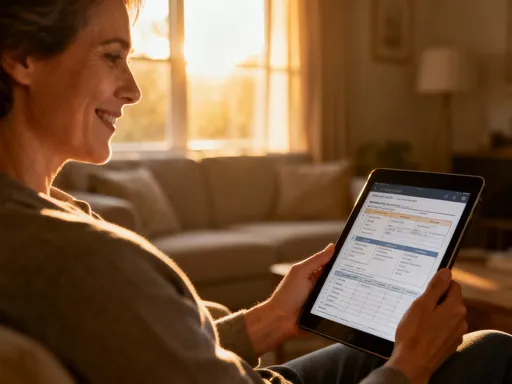
More than entertainment: How online videos quietly upgraded my daily life
Remember scrolling through videos just to unwind? I did too—until I realized those moments were teaching me things that actually made life easier. From picking smarter buys to learning tricks that saved me time and stress, online video platforms became my go-to guide. It wasn’t overnight, but gradually, what felt like passive watching turned into real, practical gains. Let me show you how something as simple as watching videos can quietly transform the way you live, shop, and grow—without even trying too hard.
The Habit That Started It All
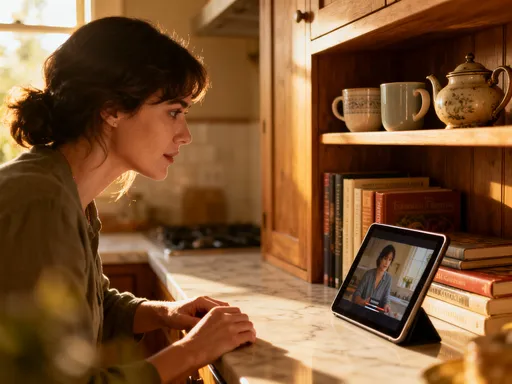
I never set out to learn anything. It began with late-night browsing—cooking clips, quick home fixes, people organizing their closets. At first, it was just distraction. But over time, I noticed myself remembering tips, pausing videos to jot things down. One day, I caught myself applying a storage hack I’d seen—and it worked. That’s when I realized: these weren’t just videos. They were tiny lessons hiding in plain sight, shaping the way I approached everyday challenges.
It started with a folding trick for towels. I saw a woman in a small apartment neatly fold a bath towel into a compact rectangle that stood upright in her linen closet. I paused, rewound, tried it the next morning. It took two tries, but when it clicked, I remember thinking, “Why didn’t I know this before?” That small win made me curious. What else was out there? I began watching more intentionally—not just for laughs or inspiration, but for usable ideas. And the more I looked, the more I found.
What surprised me most was how natural it felt. I wasn’t taking a course or reading a manual. I was just watching real people in real homes doing real things. No jargon, no pressure. Just someone saying, “Here’s how I keep my pantry from becoming a black hole.” And suddenly, I had a new way to think about my own space. It wasn’t about perfection—it was about progress. And that made all the difference.
From Browsing to Learning—Without Trying
The shift wasn’t dramatic. No course sign-ups, no strict schedules. Instead, the platform’s suggestions started aligning with my real-life needs—better meal prep, smarter cleaning routines, even wardrobe tips. The more I watched, the more the algorithm learned. Soon, my feed wasn’t just entertainment—it became a personalized learning stream. I wasn’t studying; I was absorbing. And the best part? I didn’t feel overwhelmed. It felt natural, like chatting with a friend who always knows the right trick.
Think about it: how many times have you searched for “how to clean stainless steel without streaks” or “easy one-pot dinners for busy nights”? Those searches start as tiny frustrations, but they open doors to real solutions. I remember typing in “how to stop my kids’ toys from taking over the living room” after one too many evenings stepping on tiny plastic pieces. Within seconds, I found a five-minute video showing labeled bins, rotation systems, and clever under-couch storage. I tried it the next day. Game changer.
What’s powerful is that this learning doesn’t demand big time blocks. It fits into the in-between moments—while waiting for the kettle, during a commercial break, while the oven preheats. You don’t need to set aside “learning time” because the learning comes to you, tailored to what you’re actually dealing with. And because it’s visual, it sticks. I can still picture that woman using a rubber band to keep her plastic bags neatly stored in a soda bottle. I’ve used that exact trick for over a year now. That’s the beauty of it—simple, visual, and instantly applicable.
Smarter Shopping, One Video at a Time
I used to impulse-buy. Now, I pause. Before any purchase—kitchen tools, skincare, even clothes—I watch a few real-life reviews. Not ads. Real people showing how things work in their homes. I’ve avoided overpriced gadgets and found hidden gems that actually last. The videos don’t just show products—they show use cases, flaws, long-term results. My shopping list got shorter, my satisfaction higher. It’s not just saving money—it’s saving time, stress, and regret.
Take the air fryer trend. I saw so many glowing ads, but I waited. Then I found a video from a mom of three showing her actual weekly routine—what she cooks, how long cleanup takes, where she stores it. She loved it for fries and frozen chicken nuggets but admitted it wasn’t great for large family meals. That honesty helped me decide: I’d borrow one first. I did. Turns out, I used it twice. Now I know it’s not for me—and I didn’t waste $120.
Or skincare. I used to grab whatever looked pretty on the shelf. Now, I search for “honest skincare routine for sensitive skin over 40.” I watch women with skin like mine test products for weeks, show reactions, compare results. I learned that fragrance-free doesn’t always mean gentle, and that some “natural” ingredients can actually irritate. That knowledge changed how I shop. I read labels now. I patch-test. And I feel more in control of what I put on my body.
This isn’t about becoming a critic. It’s about becoming a smarter consumer. And the best part? The videos are free. No sales pitch, no pressure. Just real people sharing what works—and what doesn’t. It’s like having a circle of trusted friends who’ve already tried it so you don’t have to waste your time or money.
Learning That Fits Into Real Life
I don’t have hours to spare. But I *do* have 10 minutes while coffee brews or during laundry. Those pockets of time became learning moments. A quick folding technique. A stain-removal hack. A simple recipe swap that cuts sugar. These aren’t grand transformations—they’re small wins that add up. The platform adapts to my pace, offering short clips when I’m rushed, deeper dives when I’m curious. Learning no longer feels like a chore. It feels like living—just smarter.
I’ll never forget the video that taught me how to remove red wine from a white tablecloth. I watched it months ago, filed it away, and then—boom—my sister spilled at Sunday dinner. I didn’t panic. I remembered the mix of hydrogen peroxide, dish soap, and salt. I acted fast. The stain came out. My sister was amazed. I felt like a hero. But really, I was just prepared—thanks to a three-minute clip I’d watched while folding laundry.
These moments happen more than I expected. I learned how to revive a wilted herb plant. How to pack a suitcase so everything fits. How to make a creamy pasta sauce without cream. None of these were life-or-death skills, but they made daily life smoother, calmer, more enjoyable. And because they were taught in real kitchens, real bathrooms, real homes, they felt doable. Not aspirational. Achievable.
The key is consistency, not intensity. I don’t watch every day. But when I do, I’m intentional. I search for what I need *right now*. And because the platform remembers my habits, it starts suggesting things I didn’t even know I needed—like how to organize charging cables or which reusable bags are actually durable. It’s not magic. It’s just smart design meeting real-life needs.
Building Confidence Without Pressure
I used to feel unsure—about decorating, cooking, even organizing my schedule. But watching others do it made it feel possible. Not perfect. Not flashy. Just real. I started mimicking small steps, then building my own way. Each video showed not just the “how,” but the “why.” That shifted something in me. I wasn’t copying—I was learning to think differently. Now, I make decisions with more confidence, whether I’m choosing a product or planning a meal. The knowledge stuck because it felt personal.
Take meal planning. I used to dread it. I’d buy too much, waste food, feel guilty. Then I found a video from a woman who planned her meals around what was already in her fridge and pantry. She didn’t follow recipes exactly—she adapted. She showed how to turn leftover rice into a fried rice bowl, how to use wilting veggies in a frittata. I started doing the same. Now, I open my fridge and see possibilities, not pressure. I’m not a chef, but I feel capable. And that confidence spills into other areas—budgeting, home repairs, even how I talk to my kids about problem-solving.
There’s something powerful about seeing someone like you succeed. Not a celebrity. Not a influencer with a perfect kitchen. Just a regular person who figured out a better way. It makes you think, “If she can do it, maybe I can too.” And you try. And sometimes, you fail. But the videos don’t judge. They show fails too—burnt cookies, messy paint jobs, laundry disasters. That honesty makes the wins feel real, not staged.
Over time, I stopped asking, “Am I doing this right?” and started asking, “What works for *me*?” That shift—from comparison to customization—is where real growth happens. And it didn’t come from a self-help book. It came from watching, learning, and trying—on my own terms.
Sharing What Works—And Why It Matters
I started sharing videos with my sister, my mom, my neighbor. Not everything—just the ones that truly helped. A storage idea for small kitchens. A no-waste cooking tip. These shared moments became quiet connections. We didn’t just exchange links—we talked, compared results, laughed at fails. The platform became a bridge, not just for knowledge, but for real, meaningful exchanges. It reminded me that growth doesn’t have to be lonely.
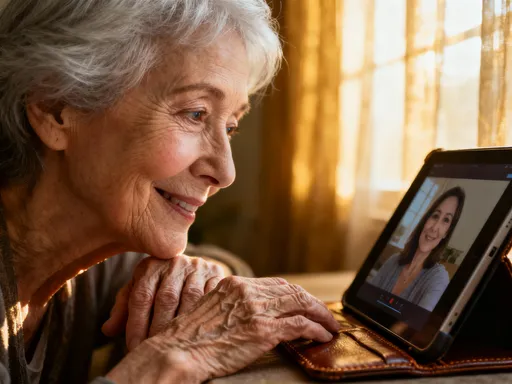
Last month, I sent my mom a video on how to use a digital photo frame. She’s not tech-savvy, but she wanted to see pictures of her grandkids without printing them. I walked her through it over the phone, referencing the video. A week later, she called, excited: “I did it! I added six photos!” That small win meant the world to her—and to me. It wasn’t just about the device. It was about connection, independence, and feeling capable at any age.
My sister and I started a little “tip swap” text thread. We send each other videos—how to clean a grout line, how to pack a school lunch that doesn’t get tossed, how to stretch a tight sweater. We don’t always try them, but we feel seen. Like we’re in this together. And when one of us succeeds, we celebrate. It’s not just about the hacks. It’s about the bond they create.
Even with my neighbor, who I didn’t know well before, we started talking about a garden video I shared. She tried the companion planting tip and got better tomatoes. Now we swap produce every summer. That small exchange grew into a friendship. It’s amazing how a two-minute clip can lead to something so meaningful.
The Quiet Upgrade That Changed Everything
Looking back, nothing exploded. No big moment. Just gradual shifts—better choices, fewer regrets, more ease. What began as mindless scrolling became a tool for real improvement. I’m not just entertained now. I’m informed, prepared, and more in control. Online videos didn’t change my life overnight. But they changed how I move through it—smarter, calmer, and more intentionally. And that? That’s the kind of upgrade that lasts.
I don’t watch to escape anymore. I watch to equip. Every video is a potential tool, a new way of seeing, a small step forward. I’ve learned that growth doesn’t have to be loud or dramatic. It can be quiet, consistent, and deeply personal. It can happen in the glow of your phone screen while your kids sleep or during a quiet morning with your tea.
And the best part? This isn’t reserved for tech experts or young trend-followers. It’s for anyone who’s willing to watch, learn, and try. You don’t need a degree. You don’t need expensive tools. You just need curiosity and a few minutes. The knowledge is out there—free, accessible, and waiting.
So the next time you open that app, don’t just scroll. Look for what you need. Search for that problem that’s been bugging you. Watch with intention. Because somewhere in that stream of videos is a tip, a trick, a moment of clarity that could make your day a little easier, your home a little calmer, your choices a little wiser. And that’s not just entertainment. That’s empowerment—one video at a time.