Tired of Starting Creative Projects That Never Finish? This Tool Keeps Me on Track
Ever found yourself excited to start a new creative project—like learning to draw, writing a short story, or building a personal website—only to lose momentum days later? You’re not alone. That initial spark often fades when life gets busy or inspiration runs low. But what if there was a way to keep that momentum alive, not through willpower, but with a simple, smart system? I discovered an online learning platform that didn’t just teach me skills—it gave me the structure to actually finish what I started. And honestly, it changed how I see myself—not just as someone who dreams, but someone who follows through.
The Dreamer’s Dilemma: Why Passion Projects Fall Apart
Let’s be real—most of us are dreamers at heart. We imagine ourselves painting watercolors by the window, writing heartfelt letters to loved ones, or finally mastering that recipe we’ve bookmarked for years. We start with such energy, don’t we? I remember buying a sketchpad last spring, convinced I’d fill it with drawings of my garden by summer. I even picked out my favorite pens, laid everything out neatly on the kitchen table, and told my daughter, “Mommy’s going to be an artist now.” But then the laundry piled up. A work deadline came in. My youngest got sick. And that sketchpad? It’s still on the shelf, with exactly two pages used.
This isn’t failure. It’s life. The problem isn’t that we lack talent or desire—it’s that we’re not built to sustain motivation on willpower alone. Creativity thrives on rhythm, not bursts. And when there’s no structure to carry us through the quiet or tired days, even the most exciting project can feel like too much. I’ve started more online courses than I can count—photography, calligraphy, web design—each one glowing with promise. But without a clear path from “watch this video” to “show what I made,” I’d drift away by week three. The guilt would linger, not because I didn’t care, but because I didn’t have a way to keep going when the excitement faded.
And it’s not just about hobbies. Think about the home projects we never finish—the photo album gathering dust, the journal with one entry, the playlist meant for road trips that never happened. These aren’t just abandoned tasks; they’re pieces of who we wanted to be. That’s why it hurts a little when we see them. But here’s what I’ve learned: it’s not about doing more. It’s about creating a system that helps us finish what matters, without burning out. Because finishing—even something small—feels like coming home to yourself.
Discovering the Platform That Changed Everything
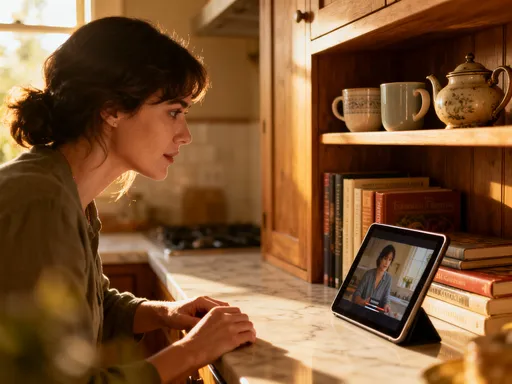
I didn’t find this platform looking for a miracle. I was just trying to learn how to build a simple website for my sister’s small bakery. Nothing fancy—just a place to share her menu and hours. I’d tried before, but coding felt like a foreign language, and I’d get stuck on the smallest things, like how to center a picture. I’d spend an hour watching tutorials, feel good for a minute, then close the tab, overwhelmed. But this time, I stumbled on a learning site that felt different. Instead of just videos and quizzes, it had a little checklist on the side of the screen. “Step 1: Choose your site theme.” “Step 2: Add your first page.” “Step 3: Upload a photo.” Simple. Clear. Doable.
What surprised me wasn’t the lessons—it was the way the platform treated the act of doing as just as important as learning. It didn’t just say, “Here’s how to code.” It said, “Now, go try it.” And if I didn’t come back the next day, it sent a gentle nudge: “Your site is waiting. Just add one more thing.” No pressure. No shame. Just a quiet invitation to keep going. I remember the moment I clicked “Publish” on my sister’s site. I didn’t feel like a tech expert. I felt like someone who had finally finished something I’d started. I called my sister, my voice a little shaky, and said, “It’s live.” She cried. And so did I. Not because the site was perfect—it wasn’t. But because I had followed through.
That’s when it hit me: this wasn’t just a course. It was a system that respected my time, my energy, and my intention. It didn’t demand hours at a time. It celebrated five-minute progress. It met me where I was—tired, busy, easily distracted—and gave me a way to move forward anyway. I started using it for other things: writing a short story, learning basic photo editing, even planning a family reunion. Each time, the structure helped me cross the finish line. And each time, I felt a little more like the person I wanted to be—one who doesn’t just dream, but does.
How It Turns Learning Into Doing: The Magic of Built-In Project Tools
So what makes this platform different? It’s not flashy. There are no badges, no leaderboards, no fake “level-ups” that make you feel accomplished without actually accomplishing anything. What it has is something far more powerful: tools that turn learning into action. When you start a course, you’re not just assigned videos—you’re guided through a real project, step by step. And each step is broken into tiny, manageable actions. Want to write a children’s story? The platform doesn’t say, “Write a story.” It says, “Today, name your main character.” Tomorrow: “Draw a quick sketch of them.” The day after: “Write one sentence about their favorite thing.”
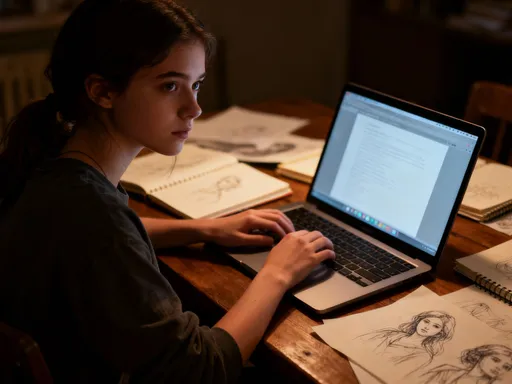
This might sound too simple, but that’s the point. Big dreams die in the gap between idea and action. This platform closes that gap by making the next step obvious. I used it to create a little illustrated story for my niece’s birthday. I’d never done anything like it before. But because the platform broke it down—research animals, pick a color palette, write the first paragraph, upload an image—I never felt stuck. Even on days when I was exhausted, I could do one small thing. “Just open the app,” I’d tell myself. “Just write one line.” And that was enough.
The real magic is in the reflection prompts. After each step, it asks, “How did that feel?” or “What surprised you?” At first, I thought it was just a formality. But over time, I realized these questions were helping me connect with my own process. They reminded me that progress isn’t just about output—it’s about how I’m showing up. When I wrote, “I felt proud I didn’t give up,” after finishing a tough editing session, it wasn’t just a note to the system. It was a message to myself. This platform didn’t just teach me skills. It taught me how to stay with myself, even when it got hard.
Small Wins, Big Confidence: The Ripple Effect on Daily Life
Here’s what no one tells you about finishing small projects: it changes everything else. I didn’t realize it at first, but after completing that website and the children’s story, I started approaching other parts of my life differently. When my son said he wanted to build a birdhouse for a school project, I didn’t jump in and do it for him. Instead, I said, “Let’s break it down. What’s the first thing we need?” We made a list: wood, nails, paint, a plan. We did one step each day. And when he finished, his face lit up. “We did it, Mom!” And I thought, “We really did.”
That same energy started showing up in my work. I’m a school administrator, and planning events used to stress me out. I’d get overwhelmed by all the pieces—food, seating, invitations, volunteers. But now, I use the same mindset: what’s the very first step? Call the caterer. Then, send the email draft. Then, confirm the room. One thing at a time. I even started a shared checklist with my team, inspired by the platform’s tools. They loved it. “This makes it feel doable,” one teacher said. And it does. Because when you stop trying to do it all at once, you realize you can do it all—just not today.
But the biggest shift was inside me. I stopped seeing myself as someone who starts things and gives up. I started seeing myself as someone who finishes. That doesn’t mean I never struggle. I do. But now, when I feel that old urge to walk away, I have a different voice in my head: “Just one step. You’ve done this before.” And that voice? It’s stronger than the doubt. It’s built from real proof—projects I’ve completed, words I’ve written, things I’ve made. That confidence isn’t loud or flashy. It’s quiet. Steady. And it’s changed how I show up for my family, my work, and myself.
Making It Your Own: Simple Ways to Start Today
You don’t need to overhaul your life to start finishing what you begin. In fact, the smaller you start, the better. When I talk to friends about this, I always say the same thing: pick one tiny project. Something that feels almost too easy. Maybe it’s writing a letter to an old friend. Or organizing one drawer. Or learning to make a new soup recipe. The goal isn’t to impress anyone. It’s to prove to yourself that you can follow through.
Here’s how I’d suggest using the platform to start: First, choose your project. Keep it simple. “Write a short story” is good. “Write a 500-word story about a rainy day” is better. Then, look at how the platform breaks it down. You’ll see suggested steps, but you can adjust them. Make them yours. If “write first paragraph” feels too big, change it to “write one sentence.” That’s allowed. The system supports your rhythm, not the other way around.
Next, schedule a tiny window of time—10, 15 minutes. Not when you’re exhausted. Maybe with your morning coffee, or right after you drop the kids at school. And when you sit down, don’t aim for perfection. Aim for showing up. I still talk to myself like this: “You don’t have to write the whole thing. Just open the app. Just do one step.” And you know what? That’s usually enough to get me started. Once I’m in, I often do more. But even if I don’t, I’ve kept my promise to myself. And that’s what builds trust.
Finally, use the reflection feature. After each session, take a moment to write one sentence about how it felt. “I was tired, but I did it.” “I laughed at my own sketch.” “I’m proud I didn’t skip today.” These aren’t just notes—they’re proof. And over time, they become a story you tell yourself: not “I never finish anything,” but “I’m someone who shows up.”
Beyond the Screen: How Digital Tools Strengthen Real-Life Growth
I’ll be honest—I used to think technology made us lazier. That it pulled us away from real life. And sometimes, it does. But this tool? It’s different. It doesn’t distract me. It directs me. It’s not about spending more time online. It’s about using that time to build something real. The website I made for my sister helped her get more customers. The story I wrote? I printed it, bound it with ribbon, and gave it to my niece. She reads it every night. That’s not digital. That’s love made tangible.
This platform didn’t replace my hands or my heart. It gave them a roadmap. It helped me move from “I’d love to try that” to “I made this.” And that shift—it’s not just about productivity. It’s about dignity. About feeling capable in a world that often makes us feel too busy, too tired, too behind. I’m not saying this tool will solve everything. But it gave me a way to show up for the things I care about, even when I don’t feel like it.
And that’s the balance I’ve learned: tech as a helper, not a master. I don’t live in the app. I use it to live more fully outside of it. I still cook, garden, read books, hug my kids. But now, I bring the same gentle structure to those things—break it down, do one step, celebrate the effort. The digital tool taught me a mindset, and that mindset lives far beyond the screen.
The Quiet Power of Finishing: Why Completion Matters More Than Perfection
In a world that celebrates big launches and viral moments, we’ve forgotten the quiet power of finishing. We chase inspiration like it’s a limited resource. But what if the real magic isn’t in the start—it’s in the follow-through? What if the most radical act isn’t dreaming big, but completing small?
Every time I finish a project now, I feel a deep sense of peace. Not the loud joy of a surprise gift, but the steady warmth of self-trust. I know I can count on myself. And that changes how I parent, how I work, how I dream. I don’t need more ideas. I have plenty. What I needed was a way to bring them home.
This platform didn’t make me talented. It made me consistent. And consistency, I’ve learned, is its own kind of brilliance. It’s how we grow. How we heal. How we become the people we say we want to be. So if you’re someone who starts things—paintings, journals, courses, dreams—know this: you’re not broken. You just need a better system. One that doesn’t demand perfection, but honors progress. One that walks beside you, step by quiet step, until you can say, with quiet pride, “I finished.” And that, my friend, is everything.