Tired of Scrambling to Find School Forms or Medical Records? A Simple Fix That Brought Our Family Peace of Mind
How many times have you frantically searched through dusty folders, only to realize your child’s vaccination record is buried somewhere in a closet—or worse, lost? I’ve been there. One missed permission slip, one delayed insurance claim, and suddenly, your whole week feels off. What if I told you that organizing your family’s important documents doesn’t require shelves of binders or endless Sunday sorting? It starts with one small, smart change—something quiet but powerful, like a digital safety net always there when you need it. This isn’t about becoming tech-savvy overnight. It’s about giving yourself the gift of calm in the middle of everyday chaos.
The Chaos of Paper: When Life Gets in the Way
Let’s be honest—none of us set out to live in document disaster. We start with good intentions. Remember that colorful folder you bought at the back-to-school sale? The one labeled “Important Papers” in bold letters? You were going to keep everything neat: report cards, immunization records, sports waivers, tax receipts. But then life happened. Your child outgrew their winter jacket before you even filed the receipt. The pediatrician’s office called for an updated form—yesterday. And suddenly, that folder is buried under a stack of unopened mail, half a sandwich, and a permission slip for a field trip that already passed.
I remember one rainy Tuesday morning when my son needed proof of residency for a school registration. I tore through drawers, checked the kitchen counter, even looked behind the microwave—where we once found a lost library book. Nothing. I ended up borrowing my neighbor’s old utility bill, feeling both embarrassed and defeated. That moment wasn’t just about a missing paper. It was about stress, guilt, and the nagging feeling that I should be doing better. But here’s the truth: it’s not that we’re failing. It’s that the system is.
Paper doesn’t travel well. It gets lost, torn, soaked, or forgotten. It doesn’t send reminders. It doesn’t back itself up. And when you’re juggling work, school runs, doctor visits, and family meals, asking paper to keep up is like expecting a flip phone to run a video call. The emotional toll is real. Every time we lose something important, we lose a little peace. We feel like we’re one missed form away from letting our family down. But what if we could stop relying on memory and sticky notes? What if the solution wasn’t more effort—but less?
Discovering the Quiet Power of Cloud Storage
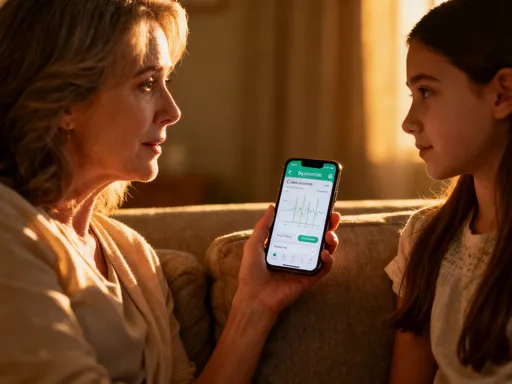
The turning point for me came during a routine doctor’s visit. My daughter was due for a check-up, and the clinic needed her immunization history. I opened my overstuffed folder—nothing. I called my husband—no luck. Panic started to rise. Then, on a whim, I pulled out my phone and opened an app I’d downloaded months ago but never really used. There it was: a scanned copy of her vaccine record, uploaded after her last shot. I smiled, sent it with one tap, and walked in like I had it all together. The nurse didn’t know I’d been one breath away from rescheduling. But I did. And in that moment, something shifted.
That’s when I realized cloud storage isn’t just for techies or remote workers. It’s for parents who’ve ever stood in a school office, sweating, trying to explain why they can’t produce a birth certificate. It’s for families who travel and need quick access to passports. It’s for anyone who’s ever said, “I know I had it somewhere.” Cloud storage is simply a digital filing cabinet that lives in the internet—secure, searchable, and always with you. Think of it like your kitchen drawer, but instead of digging through takeout menus and rubber bands, you open a folder labeled “Medical” and find exactly what you need.
The beauty is in its simplicity. You don’t need to be a computer genius. Most smartphones can scan documents with just a few taps. The camera takes a photo, the app straightens it, and it’s saved—automatically—into your cloud. No special equipment. No complicated steps. And once it’s there, it’s not just stored. It’s protected. Most services back up your files in multiple locations, so even if your phone breaks or your house loses power, your documents are safe. I no longer fear the “paper avalanche” in my closet. Because I know the real copies are somewhere better: online, organized, and ready when I am.
How One System Keeps Everyone on the Same Page
Family life isn’t a solo performance—it’s a team effort. And just like any team, we work best when everyone knows the game plan. Before we set up shared cloud folders, my husband and I were constantly repeating ourselves. “Did you send the camp form?” “Where’s the school pickup schedule?” “Who has the insurance card?” It wasn’t that we weren’t communicating. It was that the information lived in different places—his email, my notebook, a sticky note on the fridge. We were talking, but we weren’t aligned.
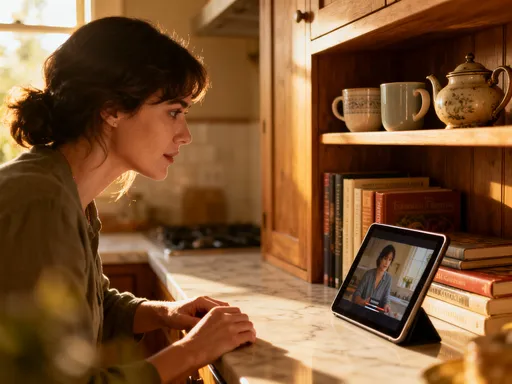
Then we created shared folders. Simple ones: “School,” “Health,” “Travel,” “Finances.” We invited each other—and later, our babysitter and my mom—into the ones they needed. Now, when the sitter picks up the kids, she checks the “Family Schedule” folder on her phone. No more frantic calls during dinner. When my husband is out of town and our son needs a form signed, he downloads it, signs it digitally, and sends it back—all before I finish packing lunches. It’s not magic. It’s just clarity.
One of my favorite moments was when my mom helped with a school event. She needed my daughter’s allergy information for the snack list. Instead of calling me five times, she opened the “Health” folder and found the doctor’s note in seconds. She texted me, “Got it—no peanuts. You’re welcome.” I laughed. Not just because it was easy, but because it felt like we were finally working as a unit. Even our kids are part of it now. My son helps name the files—“Baseball Form 2024” or “Dentist Visit Pics”—and takes pride in knowing where things are. It’s turned document management from a chore into a quiet act of teamwork.
Protecting What Matters Most—Without the Complexity
I know what you’re thinking: “But is it safe?” That was my biggest worry too. The idea of putting sensitive documents online felt risky. What if someone hacked in? What if the internet went down? What if I accidentally shared something with the wrong person? These are real concerns. But the truth is, your documents might already be safer in the cloud than in your home filing cabinet.
Think about it: where do you keep your important papers now? In a drawer? Under the bed? In a box in the garage? Those places aren’t immune to danger. Fires, floods, pests—they don’t care how carefully you labeled your folders. And if someone breaks in, they can walk away with your social security cards, birth certificates, and bank statements in minutes. Cloud storage, on the other hand, uses encryption—like a digital lock that scrambles your data so only you can read it. Even if someone intercepts it, it looks like nonsense.
Most services also offer two-factor authentication, which means you need two things to log in: your password and a code sent to your phone. It’s like having a key and a fingerprint scanner for your front door. And if your internet goes down? No problem. Many apps let you mark files for offline access, so you can still view them without a connection. As for sharing, you’re in control. You decide who sees what. You can give someone “view only” access, or revoke it anytime. I used to think digital meant less secure. Now I see it as smarter protection—like a vault that travels with you, but only opens for the people you trust.
Reclaiming Time for What Truly Matters
Here’s something no one talks about: disorganization doesn’t just cost you paper and pens. It costs you time. And time is the one thing we can’t get back. I used to spend hours every month searching for lost forms, re-filling out applications, or driving back to school with forgotten documents. That time didn’t just disappear. It came from somewhere—usually from the quiet moments I wish I’d had. The bedtime story I skipped because I was on the phone with insurance. The coffee I didn’t drink because I was digging through drawers. The deep breath I didn’t take because I was too busy stressing.
Setting up our cloud system took me about 20 minutes one Saturday morning. Since then, I’ve saved hours—literally. No more re-printing lost forms. No more waiting on hold to request records. No more guilt when I show up late because I couldn’t find the right paper. Instead, I’ve gained space. Space to listen. Space to be present. Space to enjoy the little things—like watching my daughter draw at the kitchen table or sharing a joke with my husband before bed.
This isn’t just about efficiency. It’s about self-care. When we stop chasing after lost papers, we free up mental energy. We feel calmer. We make better decisions. We’re more patient with our kids, more attentive to our partners, kinder to ourselves. I used to think being a good mom meant doing everything perfectly. Now I know it means creating a home where we can all breathe. And sometimes, that starts with something as simple as knowing where the vaccination record is.
Building a Habit That Sticks—Without Perfection
Let’s not pretend this is going to be flawless. I’ve uploaded the same form twice. I’ve named files “Scan_001” and forgotten what they were. I’ve even accidentally shared a folder with my yoga group instead of my mom (yes, really). But here’s what I’ve learned: consistency beats perfection. You don’t need to digitize your entire life in one weekend. You just need to start.
My advice? Pick one category—medical, school, or travel—and create a folder. Next time you get a document, scan it with your phone and save it there. That’s it. No pressure. No marathon organizing session. If you forget, it’s okay. Just add it later. Involve your family. Let your kids help name the files. Turn it into a five-minute habit after school or on Sunday nights. Many phones now have automatic backup settings, so photos of documents save themselves. And once a week, spend 10 minutes doing a “digital tidy-up”—deleting duplicates, renaming unclear files, checking what’s missing. It’s not about being perfect. It’s about being prepared.
The goal isn’t a flawless system. It’s a functional one. One that works when you need it, even on the messy days. I still have paper copies—some things just feel safer that way. But now, they’re backups, not the main event. And when life gets loud, I know where to go: my phone, my cloud, my peace of mind.
A Calmer, Clearer Family Life—One Click Away
Looking back, I realize this wasn’t just about documents. It was about control. About creating a home where we aren’t ruled by the next lost paper or forgotten deadline. It was about showing up as the mom, the wife, the person I want to be—calm, capable, connected. The cloud didn’t change my life because it’s flashy or futuristic. It changed my life because it’s quiet. Because it’s there when I need it. Because it lets me focus on what matters: my family, my time, my peace.
Technology doesn’t have to be complicated to be powerful. Sometimes, the most transformative tools are the ones that simply get out of the way. They don’t demand attention. They don’t add noise. They just work—so we can live. So we can love. So we can breathe.
If you’re tired of the scramble, I invite you to try one small step. Create one folder. Scan one document. Share it with one person who needs it. See how it feels to know it’s there. You don’t have to do it all at once. You just have to begin. Because peace of mind isn’t found in perfection. It’s found in progress. And sometimes, it’s just one click away.