Why Your TCM Wellness Routine Backfires: The Exercise Mistakes No One Talks About
You’re drinking herbal teas, following TCM principles, and trying to balance your qi—so why do you still feel drained? I’ve been there. After months of fatigue despite “doing everything right,” I realized my exercise routine was clashing with my TCM goals. Turns out, pushing too hard or moving at the wrong time can disrupt your body’s natural rhythm. This isn’t about working out more—it’s about aligning movement with your body’s energy. Let’s unpack the hidden missteps that could be undermining your wellness journey, even when everything else seems in place.
The Hidden Conflict Between Modern Workouts and TCM Principles
Many women in their 30s to 50s who embrace Traditional Chinese Medicine (TCM) do so to restore balance, ease stress, and support long-term vitality. They drink goji berry tea, practice mindful breathing, and adjust their diets according to the seasons. Yet, despite these efforts, fatigue, irritability, or sleep issues persist. The missing link? Their exercise routine. While modern fitness culture glorifies high-intensity interval training (HIIT), heavy weightlifting, and marathon cardio sessions, TCM views such practices with caution—especially when not tailored to the individual’s energy state. In TCM, the body is not a machine to be pushed to its limits, but a dynamic system of energy, fluids, and organ networks that thrive on harmony and conservation.
One of the core principles in TCM is the preservation of qi—the vital energy that sustains life. Unlike Western fitness models that equate exertion with progress, TCM warns that excessive physical strain can deplete qi and damage yin, the cooling, nourishing aspect of the body. When yin is weakened, symptoms like night sweats, dry skin, anxiety, and insomnia often follow. Intense workouts, particularly when performed regularly without adequate recovery, are seen as a form of “yang excess” that burns through the body’s reserves. Over time, this pattern mimics what TCM calls “deficiency-type fatigue,” where the body appears strong on the surface but is internally depleted—like a candle burning at both ends.
The cultural shift toward aggressive fitness trends has distanced many from the gentle, rhythmic movements once central to Chinese wellness practices. Tai chi, qigong, and leisurely walking were not designed to burn calories but to circulate qi, calm the spirit (shen), and strengthen the body’s resilience. These practices emphasize softness, coordination, and breath awareness—qualities often absent in today’s gym culture. When a woman in her 40s with a history of fatigue or hormonal shifts adopts a punishing workout regimen in the name of health, she may unknowingly deepen her imbalance. The result is not greater vitality, but a cycle of exhaustion that resists even the most carefully prepared herbal tonics.
From a TCM lens, overtraining is not a sign of dedication—it’s a form of internal injury. It can lead to what practitioners describe as “floating yang,” where the body’s energy rises uncontrollably, causing dizziness, headaches, or emotional volatility. It may also impair the spleen’s ability to transform food into usable energy, worsening qi deficiency. Instead of building strength, excessive exercise can weaken the very systems meant to support it. Recognizing this conflict is the first step toward a more sustainable, body-respecting approach to movement—one that doesn’t work against the very principles of TCM wellness.
Common Exercise Pitfalls That Disrupt TCM Adjustment
Even with the best intentions, many well-informed women fall into exercise patterns that unknowingly sabotage their TCM goals. One of the most common missteps is exercising during low-energy windows, such as late at night. In TCM, the evening hours—particularly between 9 PM and 11 PM—are governed by the pericardium and triple burner systems, which prepare the body for rest and fluid regulation. Engaging in vigorous activity during this time disrupts the natural descent of yang energy and prevents the body from entering its yin restoration phase. A real-life example is a 45-year-old woman who begins doing 30-minute HIIT sessions at 10 PM after her children are asleep. While she feels a temporary sense of accomplishment, she begins experiencing worsened insomnia, afternoon irritability, and a persistent dry throat—classic signs of rising liver fire and depleted yin.
Another frequent error is ignoring body constitution when choosing an exercise routine. TCM does not believe in a one-size-fits-all approach to health. What works for a robust, yang-dominant individual may harm someone with a fragile spleen or deficient kidney energy. For instance, a woman with qi deficiency may feel temporarily energized by a spin class but crash an hour later with profound fatigue, brain fog, and cravings—her body’s way of signaling that too much was demanded. Similarly, someone with a damp-heat constitution might benefit from moderate sweating to clear internal stagnation, while the same level of exertion could dehydrate and overheat a yin-deficient person.
Seasonal rhythms are also frequently overlooked. TCM teaches that human physiology mirrors nature’s cycles. In winter, energy is meant to conserve and descend, much like animals hibernate and trees shed their leaves. Yet, many women ramp up their gym routines during colder months, chasing New Year’s resolutions with icy outdoor runs or intense indoor workouts. This goes against the body’s natural inclination to rest and nourish. In contrast, spring and summer are ideal times for increased physical activity, as yang energy naturally rises. Exercising in alignment with the seasons supports the liver and heart systems, promoting smoother qi flow and emotional balance.
Perhaps the most overlooked factor is the prioritization of duration and calorie burn over quality and resonance with the body’s signals. A 40-minute walk in the morning sun, done with mindful breathing, may do more for long-term wellness than a 90-minute spin class that leaves one drained. TCM emphasizes that movement should leave the body feeling refreshed, not depleted. When exercise becomes a source of stress rather than relief, it ceases to be healing. The key is not to eliminate modern fitness entirely, but to integrate it wisely—choosing intensity, timing, and type based on the body’s current needs, not external expectations.
How TCM Views the Body’s Response to Movement
In TCM, every form of physical activity affects specific organ systems and meridians, shaping both physical and emotional well-being. Unlike the Western focus on muscles and metabolism, TCM sees movement as a regulator of qi and blood flow, a balancer of yin and yang, and a harmonizer of the shen, or spirit. For example, prolonged cardio sessions—such as long-distance running or intense cycling—can overstimulate the heart, leading to what TCM calls “heart fire.” Symptoms include palpitations, restlessness, difficulty falling asleep, and even vivid dreams. While moderate aerobic activity supports circulation, excessive endurance training may deplete heart blood, weakening the organ’s ability to house the shen and maintain emotional stability.
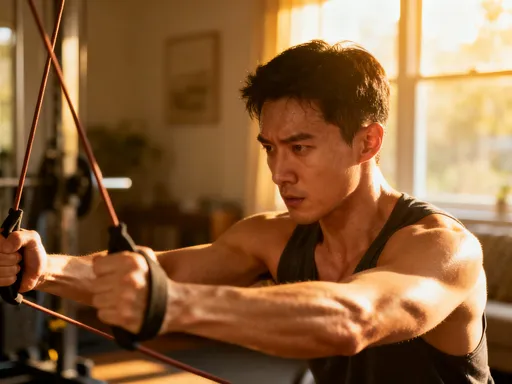
Strength training, when done excessively or with poor form, can strain the liver and tendons. In TCM, the liver governs the smooth flow of qi and is responsible for the health of the tendons and ligaments. Overworking these tissues through heavy lifting or repetitive motions without proper warm-up or recovery may lead to stiffness, irritability, and even menstrual irregularities—signs of liver qi stagnation. A woman who suddenly begins a rigorous weightlifting program may notice not only sore muscles but also increased tension in her shoulders, mood swings, or digestive discomfort, all of which point to liver imbalance.
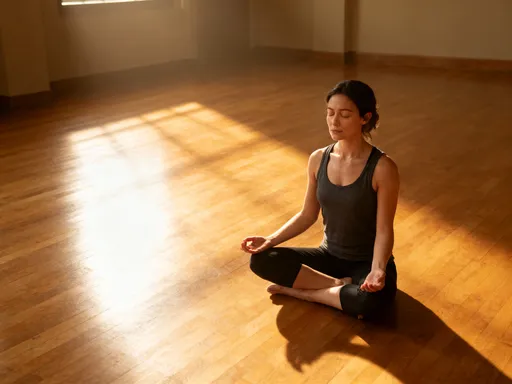
Even seemingly neutral activities like yoga can have unintended effects if not practiced in alignment with one’s constitution. A fast-paced vinyasa class may benefit someone with excess dampness or phlegm by promoting circulation and sweating, but it could aggravate someone with yin deficiency, causing dryness, heat sensations, or adrenal fatigue. In contrast, slow, grounding practices like yin yoga or qigong support kidney yin and essence (jing), making them ideal for women navigating perimenopause or chronic fatigue.
Physical symptoms are often the body’s way of communicating imbalance. Dry mouth after a workout may indicate fluid depletion and yin damage. Persistent fatigue the next day suggests spleen qi deficiency or inadequate recovery. Irritability or emotional sensitivity can signal liver qi rebellion. Rather than dismissing these signs as normal “post-workout” effects, TCM encourages viewing them as valuable feedback. Movement should enhance vitality, not drain it. When physical activity leads to prolonged soreness, disrupted sleep, or mood disturbances, it’s time to reassess—not push through. By reframing exercise as a tool for energetic balance rather than aesthetic or performance goals, women can transform their routines into acts of self-care that truly support long-term wellness.
Misreading Your Body Type: Why One-Size-Fits-All Workouts Fail
One of the most empowering concepts in TCM is the understanding that each person has a unique body constitution, shaped by genetics, lifestyle, and environmental influences. These constitutions—such as qi deficiency, yang excess, yin deficiency, damp-heat, or blood stasis—determine how the body responds to food, stress, and physical activity. Ignoring this individuality and adopting generic fitness programs can lead to frustration, burnout, and worsening imbalances. A workout that energizes one woman may exhaust another, not because of willpower or discipline, but because of fundamental differences in their energetic makeup.
Consider a woman with yang deficiency. She may feel cold easily, have low energy, and crave warmth. While moderate, warming movement like gentle tai chi or brisk walking in sunlight can be supportive, intense cardio or cold-weather running may further deplete her yang energy, leading to greater fatigue, poor digestion, and even fluid retention. Her body needs nourishment and conservation, not depletion. Pushing her to “sweat it out” or “power through” only deepens her imbalance. In contrast, a woman with damp-heat constitution—marked by oily skin, sluggish digestion, and a feeling of heaviness—may benefit from moderate aerobic activity that promotes sweating and clears stagnation. For her, movement is a way to expel excess, not preserve reserves.
Similarly, a woman with yin deficiency—often seen in perimenopausal or chronically stressed individuals—may experience hot flashes, night sweats, and insomnia. High-intensity workouts that generate internal heat can worsen these symptoms by further damaging yin fluids. Instead, she thrives on cooling, rhythmic movements like qigong, swimming, or slow yoga practiced in a calm environment. These activities nourish yin, anchor floating yang, and support emotional calm. When such a woman follows a trending fitness challenge designed for weight loss or endurance, she may lose weight temporarily but at the cost of deeper exhaustion and hormonal disruption.
The danger of fitness trends lies in their universality. Social media and wellness programs often promote a single ideal—lean, strong, constantly active—without regard for individual differences. A woman may feel guilty for not keeping up, not realizing that her body is signaling a different need. TCM encourages self-awareness over comparison. By learning to recognize her constitution—through observation, journaling, or consultation with a practitioner—she can choose movement that truly serves her. This is not about limitation, but liberation: the freedom to move in ways that restore, rather than deplete, her energy.
The Forgotten Role of Timing: Aligning Movement with Qi Cycles
In TCM, time is not just a measurement—it’s a vital component of health. The body operates on a 24-hour rhythm known as the organ clock, in which qi flows through different meridians every two hours, peaking in specific organs. This ancient model offers practical guidance for when to move, rest, eat, and sleep. For example, the lung meridian is most active between 3 AM and 5 AM, making early morning an ideal time for gentle breathing exercises or light stretching. The large intestine, active from 5 AM to 7 AM, supports elimination—another reason why a short walk after waking can aid digestion and clear stagnation.
The morning hours, especially between 7 AM and 9 AM (stomach time) and 9 AM to 11 AM (spleen time), are optimal for moderate physical activity. The spleen, responsible for transforming food into qi and blood, benefits from gentle movement that stimulates circulation without overexertion. A 20-minute walk after breakfast, for instance, supports digestion and boosts daytime energy. This is also an ideal window for tai chi or qigong, as these practices harmonize spleen and lung qi, setting a balanced tone for the day.
In contrast, the evening—particularly from 5 PM to 9 PM—is a time for winding down. The kidney meridian (5 PM–7 PM) governs vitality, reproduction, and willpower, and needs rest to replenish essence (jing). The heart (11 AM–1 PM) and pericardium (7 PM–9 PM) are sensitive to overstimulation; late-night workouts can agitate the shen, making it harder to fall asleep and stay asleep. A woman who exercises vigorously after 8 PM may find herself wide awake at midnight, not because of caffeine, but because her yang energy has been artificially elevated, disrupting the natural yin-yang transition.
Aligning movement with these cycles doesn’t require rigid scheduling, but gentle awareness. Choosing to take a walk at sunset instead of a spin class at 9 PM honors the body’s need to settle. Practicing slow, deep breathing in the evening supports the pericardium’s role in emotional protection and rest. By syncing activity with the body’s internal clock, women can enhance the effectiveness of their movement while protecting their long-term energy reserves. This is not about adding more rules, but about working with, rather than against, the body’s innate wisdom.
Building a TCM-Aligned Movement Plan: From Theory to Practice
Creating a sustainable, TCM-aligned movement plan begins with intention: to support, not challenge, the body’s energy. This doesn’t mean abandoning modern fitness, but adapting it with wisdom. The goal is not to achieve a certain look or performance level, but to feel grounded, resilient, and balanced. A flexible framework starts with matching exercise type to both constitution and season. In winter, for example, a woman with qi deficiency might focus on indoor qigong, warm baths, and short walks during daylight. In summer, the same woman could enjoy morning swims or gentle hiking, taking advantage of nature’s rising yang energy.
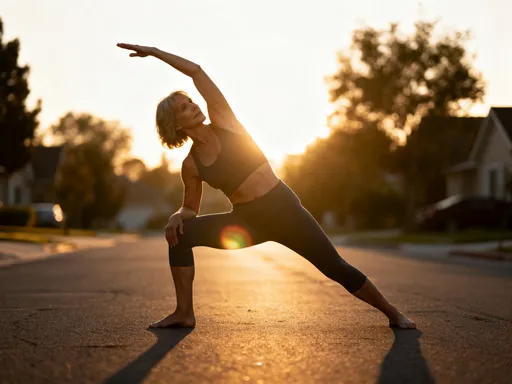
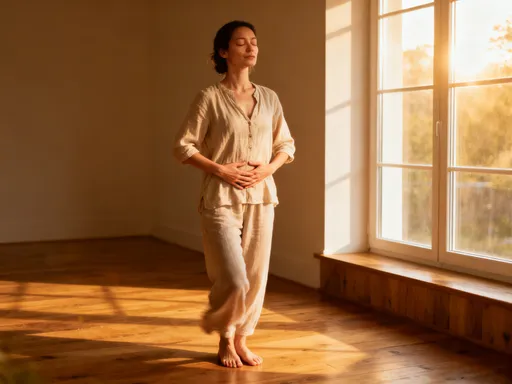
Low-impact, rhythm-based activities are central to TCM wellness. Tai chi, often called “meditation in motion,” improves balance, reduces stress, and enhances qi flow. Qigong, with its simple postures and breath coordination, is especially beneficial for women managing fatigue, anxiety, or hormonal shifts. Walking—especially in nature—supports lung and large intestine function, aids digestion, and clears mental fog. Slow yoga, when practiced mindfully, stretches the tendons, calms the liver, and promotes flexibility without strain. These practices build endurance not through force, but through consistency and alignment.
Daily habits matter as much as structured workouts. A 10-minute morning stretch routine can awaken the body gently, improving circulation and joint mobility. A 15-minute walk after meals aids spleen function and blood sugar regulation. Breath-coordinated movements—such as inhaling while raising the arms, exhaling while lowering them—can be done anywhere and help anchor the mind. These small acts accumulate into significant benefits over time, especially for busy women juggling family, work, and self-care.
The key is consistency, not intensity. A 20-minute daily practice done with awareness will yield more long-term benefit than an hour-long weekly session done out of obligation. Women are encouraged to listen to their bodies each day—some days calling for more movement, others for rest. This responsive approach fosters a deeper connection with the self and supports true wellness. By making movement a form of daily nourishment, rather than punishment, women reclaim their health with compassion and clarity.
When to Pause: Listening to Your Body the TCM Way
In a culture that glorifies busyness and productivity, rest is often misunderstood as laziness or failure. TCM offers a different perspective: rest is an essential form of healing. The body regenerates blood and yin during periods of stillness, especially during sleep. When a woman ignores signs of overexertion—such as prolonged muscle soreness, emotional volatility, poor recovery, or frequent illness—she risks deepening deficiency and disrupting her hormonal and immune systems. TCM teaches that sustainable wellness is not measured by how much one can endure, but by how well one can recover.
Listening to the body means honoring its signals. If a workout leaves you exhausted for hours, if your sleep suffers, or if your mood becomes irritable, these are not signs of a “good burn”—they are warnings. TCM encourages pausing, reflecting, and adjusting. This might mean switching from running to walking, shortening a workout, or taking a full rest day. It might also mean seeking support through acupuncture, herbal tonics, or dietary changes to rebuild qi and blood.
Rest is not passive—it is active nourishment. During rest, the liver stores blood, the kidneys conserve essence, and the heart calms the shen. These processes are vital for emotional stability, cognitive clarity, and hormonal balance. For women in their 30s to 50s, navigating career, family, and aging, this kind of rest is not a luxury—it is a necessity. By reframing rest as a core component of wellness, women can break free from the cycle of burnout and build a foundation of lasting vitality.
True wellness is not about pushing harder, but about moving with wisdom. Aligning your exercise with TCM principles isn’t about rejecting modern fitness, but refining it. By honoring your body’s natural rhythms, constitution, and energy flow, you turn movement into medicine. Always consult a licensed TCM practitioner or healthcare provider before making changes, especially with chronic conditions. Let your body lead.