How Flexibility Training Changed My Daily Struggle with Chronic Pain
Living with a chronic condition used to make even simple movements feel impossible. I felt stiff, tired, and trapped in my own body—until I discovered how effective flexibility training could be. It wasn’t a cure, but it became a game-changer in managing my symptoms. This is how a few consistent, gentle practices helped me regain control, one stretch at a time. What began as a quiet experiment in my living room evolved into a daily ritual that reshaped my relationship with pain, mobility, and self-care. For countless others navigating long-term health challenges, this story may sound familiar—and the solution, surprisingly within reach.
The Hidden Burden of Chronic Conditions
Millions of adults live with chronic health conditions such as arthritis, fibromyalgia, diabetes, or autoimmune disorders. While medical treatments focus on symptom management and disease progression, one critical aspect often goes overlooked: the daily physical strain of simply moving through life. Stiff joints, tight muscles, and reduced range of motion are not just side effects—they are constant companions that shape every decision, from getting out of bed to reaching for a shelf. The burden is both physical and emotional, yet it remains invisible to most observers. A person may appear calm and composed, but beneath the surface, they are navigating a landscape of discomfort with every step, stretch, or turn.
For many, the idea of exercise feels intimidating or even dangerous. Past experiences with pain during movement can create a cycle of fear and avoidance. Over time, this leads to further stiffness and weakness, a phenomenon known as deconditioning. Muscles shorten, joints lose lubrication, and connective tissues become less elastic. The body, designed for motion, begins to resist it. This creates a paradox: the less you move, the harder it becomes to move, and the more pain you may experience. The emotional toll is just as real. Feelings of frustration, helplessness, and isolation often accompany physical limitations, especially when others don’t understand why “simple” tasks feel so difficult.
Yet, within this cycle, there is a point of leverage: flexibility. Unlike high-intensity workouts or strength training, which may not be suitable for everyone, flexibility training offers a low-impact, accessible way to begin reclaiming movement. It does not require special equipment, a gym membership, or perfect health. What it does require is consistency, patience, and a willingness to listen to the body’s signals. For those managing chronic conditions, improving flexibility is not about achieving athletic feats; it is about restoring the ability to perform everyday activities with less pain and greater ease. It is about regaining a sense of autonomy in a body that often feels unpredictable or unreliable.
Why Flexibility Matters More Than You Think
Flexibility is often misunderstood as a luxury reserved for dancers or yoga enthusiasts. In reality, it is a foundational component of functional health. At its core, flexibility refers to the ability of muscles and connective tissues to lengthen and joints to move through their full range of motion. When this capacity diminishes, even routine actions—bending to tie a shoe, turning to check a blind spot while driving, or lifting a grocery bag—become sources of strain. For individuals with chronic conditions, this loss of mobility can accelerate discomfort and limit independence.
Scientific research supports the role of flexibility in pain management and overall well-being. Studies have shown that regular stretching can improve circulation, delivering more oxygen and nutrients to muscles and joints. Enhanced blood flow helps reduce inflammation, a key contributor to pain in conditions like arthritis and lupus. Additionally, stretching activates the parasympathetic nervous system, which promotes relaxation and lowers stress hormones like cortisol. This dual effect—physical and psychological—can lead to a measurable decrease in perceived pain levels.
Another critical benefit is the prevention of secondary complications. Limited mobility often leads to poor posture, which in turn places undue stress on the spine, hips, and shoulders. Over time, this can result in muscle imbalances and joint degeneration. Flexibility training helps counteract these issues by promoting balanced muscle tone and proper alignment. For example, tight hip flexors, common in those who sit for long periods, can pull the pelvis forward and contribute to lower back pain. Gentle stretching of these muscles can restore neutral posture and alleviate discomfort. Similarly, shoulder stiffness can make dressing or reaching overhead a challenge; targeted stretches can gradually restore ease in these movements.
The impact extends beyond the physical. When movement becomes less painful, confidence grows. People begin to trust their bodies again. They are more likely to engage in other healthy behaviors, such as walking, socializing, or participating in hobbies. This creates a positive feedback loop: improved flexibility supports greater activity, which in turn enhances flexibility and strength. It is not about returning to a previous level of fitness, but about creating a new baseline of comfort and capability.
My Turning Point: When I Finally Tried Stretching
For years, I avoided stretching. The idea of pulling on tight, sore muscles felt counterintuitive, even risky. My diagnosis of rheumatoid arthritis came with fatigue, joint swelling, and a persistent stiffness that made mornings especially difficult. I relied on medication and rest, but the stiffness lingered. Simple tasks like buttoning a shirt or standing up from a chair required effort and often left me in pain. I felt disconnected from my body, as if it were a machine that no longer responded to my commands.
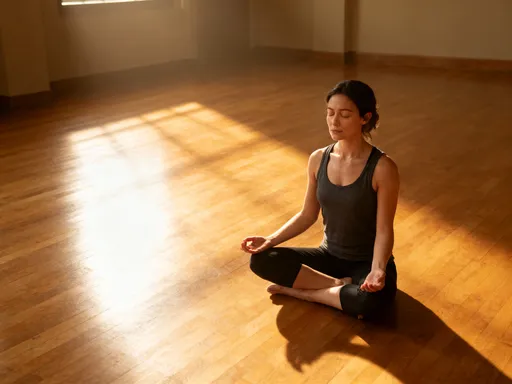
The turning point came during a routine doctor’s visit. My rheumatologist, noticing my limited range of motion, suggested I try gentle stretching. “You don’t have to push yourself,” she said. “Start with just a few minutes a day. Focus on breathing and moving slowly.” Her words were simple, but they shifted my perspective. This wasn’t about performance or endurance. It was about reconnection. That evening, I sat on the floor with a yoga mat and followed a five-minute beginner video. The movements were basic: neck rolls, shoulder shrugs, seated forward bends. I moved carefully, stopping at the first sign of discomfort.
At first, progress was imperceptible. I didn’t expect much. But after two weeks, something changed. I noticed I could stand up from the couch without bracing myself against the armrest. I could reach the top shelf in the kitchen without wincing. These small victories were profound. They weren’t dramatic, but they were real. For the first time in years, I felt a sense of agency. I wasn’t curing my condition, but I was learning to live with it more comfortably. The act of stretching became a daily act of self-respect—a quiet promise to care for my body, even when it felt uncooperative.
The 3 Core Principles of Effective Flexibility Work
My progress didn’t come from random stretching or occasional effort. It emerged from three core principles that I learned through trial, research, and guidance from physical therapists: consistency, proper form, and breath control. These principles transformed my practice from a haphazard experiment into a sustainable routine that delivered real results.
Consistency is the first and most important principle. Flexibility is not built in a single session but through repeated, regular practice. Research shows that short daily stretches are more effective than longer, infrequent ones. This is because connective tissues respond best to frequent, gentle stimulation. When I committed to just five to ten minutes each morning, I began to see changes within weeks. Missing a day was okay, but returning to the routine was essential. Over time, stretching became as routine as brushing my teeth—a non-negotiable part of my day.
Proper form is equally critical. Stretching with incorrect alignment can lead to strain or injury, especially for those with joint instability or muscle weakness. For example, rounding the back during a forward bend can place pressure on the spine, while overextending the neck during shoulder rolls can irritate cervical nerves. I learned to focus on neutral spine positioning, engage my core lightly, and move within a comfortable range. A mirror, instructional videos, or feedback from a physical therapist helped me refine my technique. The goal was not to achieve a perfect pose but to move safely and effectively.
Breath control completed the foundation. Deep, rhythmic breathing signals the nervous system to relax, which in turn allows muscles to release more fully. I adopted the practice of inhaling deeply through the nose and exhaling slowly through the mouth during each stretch. This simple act transformed the experience from mechanical to mindful. Instead of forcing a stretch, I learned to “breathe into” it, allowing tension to melt away gradually. This connection between breath and movement became a form of meditation, reducing not only physical tension but also mental stress.
Safe and Simple Movements Anyone Can Start Today
One of the most empowering aspects of flexibility training is its accessibility. You don’t need special equipment, a lot of space, or prior experience. The following movements are gentle, adaptable, and effective for people of all mobility levels. They can be done seated, standing, or lying down, making them suitable for those with significant limitations.
Seated forward bend: Sit on the edge of a sturdy chair with feet flat on the floor. Inhale to lengthen the spine, then exhale as you hinge forward from the hips, reaching hands toward the toes. Keep the back straight and avoid rounding the shoulders. This stretch targets the hamstrings and lower back. If you can’t reach your toes, simply go as far as feels comfortable. Hold for 20–30 seconds, breathing deeply.
Shoulder rolls: Sit or stand with arms at your sides. Gently roll the shoulders forward in a circular motion for 10–15 repetitions, then reverse the direction. This movement improves shoulder mobility and relieves tension from daily activities like typing or carrying bags. Keep the motion slow and controlled, avoiding any jerking or shrugging.
Ankle circles: Sit with one leg extended or both feet off the ground. Rotate the ankle in a circular motion, 10 times clockwise, then 10 times counterclockwise. Repeat on the other side. This simple exercise enhances circulation and prevents stiffness, especially important for those who sit for long periods or have swelling in the lower limbs.
Neck stretches: Gently tilt the head to the right, bringing the ear toward the shoulder. Hold for 15–20 seconds, then switch sides. Avoid lifting the shoulder; keep it relaxed. This stretch eases tension in the neck and upper traps, common areas of discomfort for those with chronic pain.
The key to success is listening to your body. Flexibility training should never cause sharp pain. A mild pulling sensation is normal, but discomfort is a signal to stop or modify. Progress happens gradually, and every body responds differently. Celebrate small improvements, like holding a stretch a few seconds longer or noticing less stiffness in the morning.
How Flexibility Fits Into Broader Disease Management
It’s important to emphasize that flexibility training is not a replacement for medical care. It is a complementary practice that enhances the effectiveness of other treatments. When integrated into a comprehensive health plan, stretching can support medication, physical therapy, nutrition, and mental well-being.
For example, improved circulation from regular stretching may enhance the delivery of anti-inflammatory medications to affected joints. Better mobility can make physical therapy exercises more effective, allowing patients to perform prescribed movements with greater ease. Additionally, reduced muscle tension can improve sleep quality, which is often disrupted in chronic conditions. Poor sleep exacerbates pain and fatigue, so any improvement in rest can have a ripple effect on overall health.
Stress reduction is another significant benefit. Chronic illness is inherently stressful, and stress worsens inflammation and pain. Flexibility training, especially when combined with mindful breathing, activates the body’s relaxation response. This helps lower cortisol levels and promotes emotional resilience. Over time, many people report not only physical improvements but also a greater sense of calm and control.
Before starting any new exercise routine, it is essential to consult with a healthcare provider, especially for those with complex medical histories. A doctor or physical therapist can offer personalized guidance, recommend safe modifications, and ensure that stretching aligns with individual treatment goals. This collaborative approach ensures that flexibility training becomes a safe and supportive part of long-term health management.
Building a Sustainable Routine: From Trial to Habit
The transition from occasional stretching to a lasting habit requires intention and strategy. Motivation often fades, and life gets busy. The key is to design a routine that fits seamlessly into daily life, not one that feels like an added burden.
I found success by linking stretching to existing habits. Every morning, after I poured my coffee, I spent five minutes on the mat. On evenings when I watched television, I did ankle circles and shoulder rolls during commercials. These micro-sessions added up, reinforcing the behavior without requiring extra time. Habit stacking, as it’s called, turns consistency into a natural part of the day.
Another helpful strategy was tracking progress. I kept a simple journal, noting how I felt before and after each session. Over time, I could see patterns: less morning stiffness, improved posture, greater ease in daily tasks. These small wins reinforced my commitment. I also set realistic goals, such as “stretch five days this week” rather than “become flexible.” This focus on process, not perfection, reduced pressure and increased follow-through.
When motivation dipped, I reminded myself of my “why.” For me, it was the desire to move without fear, to care for myself, and to maintain independence as I aged. Reconnecting with this purpose helped me return to the mat, even on difficult days. Support also played a role. Sharing my journey with a friend or joining an online community provided encouragement and accountability.
Flexibility training is not a race. It is a lifelong practice of listening, adapting, and showing kindness to the body. It is not about how far you can stretch, but about how well you can live.
Flexibility training didn’t cure my condition, but it gave me something invaluable: a greater sense of agency over my body. What started as an experiment became a vital part of my wellness journey. For anyone managing a chronic illness, this isn’t about achieving peak performance—it’s about reclaiming ease in everyday movement. With patience and care, improved flexibility can become not just possible, but powerful. It is a quiet act of resistance against the limitations of chronic pain, a daily affirmation that even small movements can lead to meaningful change. In the end, it’s not about how flexible you are, but how much more freely you can live.