How I Learned to Release Stress Before It Broke Me — A Real Prevention Story
Stress doesn’t just make you feel overwhelmed—it quietly fuels long-term health issues like high blood pressure, weakened immunity, and burnout. I used to ignore it until my body started sending warning signs. That’s when I realized: managing stress isn’t self-care, it’s disease prevention. This isn’t medical advice, but a personal journey of discovering real, everyday ways to reset. What changed for me might not be magic—but it’s been powerful enough to transform how I live and stay well.
The Hidden Cost of Chronic Stress
Chronic stress is more than just feeling busy or overwhelmed. It is a persistent state in which the body remains in survival mode, constantly activating the fight-or-flight response. Unlike acute stress—which can be helpful in short bursts, such as meeting a deadline or avoiding danger—chronic stress lingers, often without clear resolution. It can stem from long-term financial strain, caregiving responsibilities, work pressures, or unresolved emotional challenges. Over time, this ongoing activation takes a measurable toll on physical and mental health.
When the body is under chronic stress, it continuously releases stress hormones like cortisol and adrenaline. These hormones were designed for survival, not daily living. In small doses, they sharpen focus and increase energy. But when elevated for weeks or months, they contribute to inflammation, disrupt digestion, impair concentration, and interfere with hormonal balance. The immune system becomes less effective, making the body more vulnerable to infections and slowing recovery from illness. Elevated cortisol levels are also linked to increased abdominal fat, which is a known risk factor for metabolic syndrome and cardiovascular disease.
Sleep is one of the first areas affected. Many people under chronic stress find themselves lying awake at night, their minds racing with unresolved thoughts. Others may sleep but not achieve restorative deep sleep, waking up feeling unrefreshed. This creates a vicious cycle: poor sleep increases stress sensitivity, which further disrupts sleep. Over time, this pattern can lead to insomnia, fatigue, and decreased resilience to daily challenges.
Perhaps the most insidious aspect of chronic stress is how quietly it progresses. Symptoms often develop gradually—frequent headaches, digestive discomfort, irritability, or a tendency to catch every cold that goes around. These may seem minor at first, dismissed as part of a busy life. But they are early signals that the body is struggling. By the time more serious conditions like high blood pressure, anxiety disorders, or heart problems emerge, the damage has often been building for years. Recognizing these early signs is a crucial step in preventing long-term health decline.
Why Stress Management Is Disease Prevention
For many years, stress management was framed as a luxury—something to consider only after everything else was taken care of. But modern health science increasingly shows that managing stress is not indulgence; it is a fundamental part of protecting long-term health. When we reduce stress, we are not just improving our mood—we are lowering the biological burden that contributes to serious illnesses. The nervous system, when calm, supports better heart function, balanced blood sugar, and a more responsive immune system. In this way, stress reduction acts as a preventive shield.
Research has established strong links between chronic stress and conditions such as hypertension, type 2 diabetes, and autoimmune disorders. For example, prolonged activation of the stress response can lead to sustained increases in blood pressure, which over time damages blood vessels and increases the risk of stroke or heart attack. Similarly, cortisol influences insulin sensitivity, and when cortisol levels remain high, the body’s ability to regulate blood sugar diminishes. This sets the stage for insulin resistance, a precursor to diabetes.
Autoimmune conditions, while complex in origin, are also influenced by stress. The immune system, when under chronic stress, can become dysregulated, increasing the likelihood of attacking the body’s own tissues. Studies have shown that individuals experiencing high levels of psychological stress are more likely to experience flare-ups in conditions like rheumatoid arthritis or psoriasis. While stress does not directly cause these diseases, it can act as a trigger or accelerator.
What makes stress management so powerful is that it addresses the root mechanisms that connect emotional experience to physical health. By calming the nervous system, we reduce inflammation, support hormonal balance, and improve cellular repair processes. This doesn’t mean stress elimination is possible—nor is it necessary. Life will always include challenges. But building resilience through consistent stress-reducing habits allows the body to recover more quickly and maintain equilibrium. In this sense, daily stress management is akin to wearing sunscreen: it doesn’t prevent all damage, but it significantly reduces the risk over time.
Mindful Breathing: The Simple Reset Button
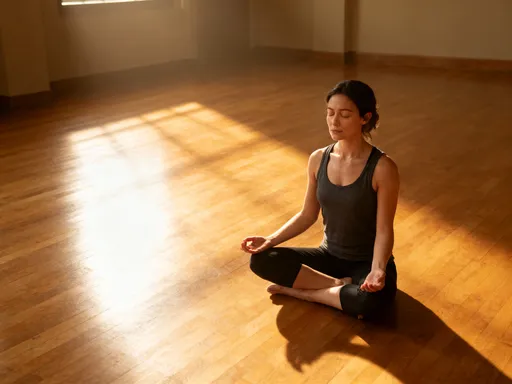
One of the most accessible and effective tools for managing stress is also one of the most overlooked: the breath. Unlike medications or therapies that require appointments or prescriptions, breathing is always available, free, and requires no equipment. Specifically, diaphragmatic breathing—deep, slow breaths that engage the belly rather than shallow chest breathing—has been shown to activate the parasympathetic nervous system, the body’s natural relaxation response. This simple act sends a signal to the brain that it is safe to relax, reducing heart rate and lowering cortisol levels.
The science behind this is straightforward. When we breathe slowly and deeply, we stimulate the vagus nerve, a key component of the parasympathetic nervous system. This nerve runs from the brainstem through the chest and abdomen, influencing heart rate, digestion, and emotional regulation. Activating it through controlled breathing helps shift the body out of fight-or-flight mode and into a state of calm alertness. Studies have demonstrated that just a few minutes of slow breathing can reduce perceived stress and improve heart rate variability, a marker of resilience.
One practical method that many find effective is the 4-7-8 breathing technique. It involves inhaling quietly through the nose for a count of four, holding the breath for seven seconds, and exhaling slowly through the mouth for eight seconds. This pattern extends the exhalation, which is particularly effective in triggering relaxation. The technique can be practiced anywhere—while sitting at a desk, lying in bed, or waiting in a car. It does not require perfection; even a few rounds can create a noticeable shift in mood and physical tension.
In my own experience, this practice became a lifeline during moments of rising anxiety. I began using it before bedtime, when my mind would race with the day’s unresolved tasks. Within a week, I noticed that falling asleep became easier. I also used it during tense phone calls or after receiving stressful news. Over time, it became a reflexive tool, something I reached for automatically when I felt my shoulders tighten or my breath shorten. It didn’t erase the source of stress, but it gave me back a sense of control. For anyone feeling overwhelmed, learning to breathe with intention is not just calming—it is a form of self-preservation.
Movement That Works—Without the Gym Pressure
Physical activity is widely recognized for its role in stress reduction, yet many people associate it with intense workouts, gym memberships, or rigid fitness routines. This perception can be discouraging, especially for those already feeling drained. The truth is, effective movement for stress relief does not require sweating for an hour or mastering complex exercises. Gentle, consistent motion—such as walking, stretching, or light dancing—can be just as powerful in restoring balance to the nervous system.
Movement helps clear stress hormones like cortisol and adrenaline from the bloodstream. It also stimulates the release of endorphins, natural brain chemicals that enhance mood and reduce pain perception. Unlike medication, these endorphins are produced without side effects and are available to everyone. Even brief bouts of activity can shift mental state, improving focus and reducing feelings of helplessness. The key is consistency, not intensity. A daily 10-minute walk can do more for long-term stress management than an occasional high-intensity session.
Walking, in particular, has unique benefits. It is low-impact, requires no special skills, and can be done almost anywhere. When taken outdoors, it combines physical activity with exposure to nature, which has its own calming effects. Studies show that walking in green spaces—parks, tree-lined streets, or nature trails—can lower cortisol levels more than walking in urban environments. Even a short evening stroll after dinner can aid digestion, support sleep, and provide a mental break from the day’s demands.
For those with limited mobility or time, simple stretching or seated movement can be equally valuable. Desk stretches—such as shoulder rolls, neck tilts, or seated spinal twists—can relieve muscle tension caused by prolonged sitting. Gentle yoga or tai chi, which emphasize slow, mindful motion, are excellent for reducing anxiety and improving body awareness. Some people find joy in informal movement, like dancing to a favorite song in the kitchen or playing with a pet. The goal is not to achieve fitness milestones but to reconnect with the body in a way that feels good. When movement becomes a form of self-kindness rather than obligation, it transforms from a chore into a sustainable habit.
The Power of Digital Boundaries
In today’s world, one of the most pervasive sources of low-grade stress is digital overload. Constant notifications, endless scrolling, and the expectation of immediate responses keep the nervous system in a state of hyperarousal. The brain, designed for focused attention and rest, is now routinely bombarded with fragmented information. This digital noise contributes to mental fatigue, reduces attention span, and makes it harder to relax. Establishing clear boundaries with technology is not a luxury—it is a necessary act of self-protection.
One of the most effective changes I made was setting a digital curfew: no screens for at least 30 minutes before bedtime. This simple rule allowed my mind to wind down naturally, improving both sleep quality and morning clarity. I also turned off non-essential notifications—those pings from social media, news apps, or promotional emails that serve no urgent purpose. Each silenced alert reduced the number of times my attention was pulled away from the present moment. Over time, I noticed a significant drop in background anxiety.
Scheduled “unplugged” hours became another cornerstone of my routine. Whether it was an hour in the morning with a cup of tea and a book, or a weekend afternoon spent gardening without a phone, these breaks restored a sense of calm and presence. During these times, I was able to think more clearly, listen more deeply, and enjoy simple pleasures without distraction. What I discovered was that the world did not fall apart when I was unreachable. In fact, people adapted, and my own sense of control grew.
Digital boundaries also improved my relationships. Without the constant pull of the screen, I was more present during conversations with family and friends. I stopped reflexively reaching for my phone during quiet moments and instead allowed myself to observe, reflect, or simply be still. This shift did not happen overnight, but with practice, it became easier to resist the pull of the digital world. For anyone feeling mentally scattered or emotionally drained, reclaiming attention from technology may be one of the most impactful steps toward lasting peace.
Sleep as a Non-Negotiable Defense
Sleep is often the first sacrifice in a busy life, yet it is one of the most critical defenses against stress-related illness. During sleep, the body repairs tissues, consolidates memories, and regulates hormones—including those involved in stress response. When sleep is short or fragmented, these processes are disrupted, leaving the body less equipped to handle daily pressures. Even one night of poor sleep can increase irritability, reduce patience, and heighten emotional reactivity.
Chronic sleep deprivation has more serious consequences. It is linked to elevated cortisol levels, increased appetite, and impaired glucose metabolism. Over time, this raises the risk for weight gain, insulin resistance, and cardiovascular disease. Poor sleep also weakens the immune system, making individuals more susceptible to colds, flu, and other infections. For women in the 30–55 age range, who may be balancing work, family, and personal responsibilities, protecting sleep is not a sign of laziness—it is an act of strength and foresight.
Improving sleep hygiene does not require drastic changes. Small, consistent habits can make a big difference. Going to bed and waking up at roughly the same time every day—even on weekends—helps regulate the body’s internal clock. Creating a restful environment is also essential: a cool, dark, and quiet room supports deeper sleep. Removing electronic devices from the bedroom eliminates both light interference and the temptation to check messages.
Other supportive practices include avoiding heavy meals and caffeine in the evening, using the bed only for sleep and intimacy, and engaging in a calming pre-sleep routine—such as reading, light stretching, or listening to soft music. For those who struggle with racing thoughts at night, writing down worries in a journal before bed can provide mental relief. The goal is not to force sleep but to create conditions that invite it. When sleep is prioritized as a pillar of health, not an afterthought, the benefits ripple through every aspect of life.
Building a Personal Stress-Release Toolkit
No single strategy works for everyone, and no one method is sufficient on its own. The most effective approach to stress management is a personalized combination of tools—what might be called a stress-release toolkit. This toolkit should be flexible, practical, and easy to integrate into daily life. It might include mindful breathing, short walks, digital boundaries, and consistent sleep habits. The key is not perfection but consistency. Small, repeated actions build resilience over time, much like brushing teeth prevents cavities.
One helpful practice is tracking small wins. Instead of waiting for dramatic changes, noticing subtle improvements—such as feeling calmer during a stressful meeting, sleeping more soundly, or experiencing fewer tension headaches—can reinforce motivation. These signs indicate that the body is responding, that the nervous system is beginning to reset. Journaling these moments, even briefly, helps create awareness and appreciation for progress.
It’s also important to be kind to oneself when routines falter. Life is unpredictable, and there will be days when stress feels overwhelming and habits fall by the wayside. This is normal. The goal is not to eliminate stress entirely but to build the capacity to recover more quickly. Returning to even one tool—such as a few minutes of deep breathing—can reignite the sense of control.
Over time, these practices become less like chores and more like acts of self-respect. They are not about escaping life’s challenges but about meeting them with greater strength and clarity. Just as we teach children to wash their hands to prevent illness, we can teach ourselves to care for the nervous system with daily, preventive habits. The return on this investment is not just reduced stress—it is a deeper sense of well-being, energy, and presence in the moments that matter most.
Integrating simple, science-aligned practices into daily life builds a stronger defense against stress-driven illness. No single fix works forever, but a personalized, consistent approach does. These strategies are not medical treatments, but supportive habits that empower long-term wellness. Because staying well starts long before sickness appears. By listening to the body’s early signals and responding with care, it is possible to live with greater balance, resilience, and peace. The journey is ongoing, but every small step counts.