More than steps: How health tracking quietly changed my daily rhythm
Living with constant fatigue used to be my normal—until a simple app nudged me to drink water, move after sitting too long, and finally sleep on time. It wasn’t magic, just gentle, daily guidance. I didn’t realize how much small data could reveal about my well-being. This isn’t about obsessive monitoring; it’s about waking up feeling lighter, clearer, and more in control—something I never expected from an app on my phone. For years, I thought I was doing everything right: eating balanced meals, trying to exercise, saying yes to family and work without pause. But I was running on empty, and the most surprising part? My body had been sending signals all along. I just hadn’t learned how to listen.
The Moment I Realized My Body Was Talking—And I Wasn’t Listening
It hit me one Tuesday morning, not with drama, but with quiet exhaustion. I was standing in my kitchen, coffee in hand, staring at the clock. It was only 8:15 a.m., and I already felt like I’d run a marathon. My shoulders ached, my mind was foggy, and the thought of another long day made me want to sit down and cry. That’s when it clicked: this wasn’t just a bad morning. This was my life. I had been brushing off the fatigue as part of being a busy woman—juggling work, home, family, and everything in between. But deep down, I knew something was off.
I wasn’t sleeping poorly on purpose. I wasn’t skipping meals to lose weight. I wasn’t ignoring my health out of laziness. I was simply unaware of how my daily choices were stacking up. I’d sit for hours answering emails, forget to drink water until my head hurt, and scroll through my phone late into the night, telling myself I was relaxing. The truth? I was draining myself, one small habit at a time. That morning, I decided to stop guessing and start noticing. I downloaded a health tracking app—not because I wanted to lose weight or run a 5K, but because I wanted to understand why I felt so tired all the time.
The first week was eye-opening. The app didn’t judge me. It didn’t shame me for skipping the gym or eating takeout. Instead, it quietly showed me patterns. I saw that on days when I drank at least six glasses of water, my energy stayed steadier. On days when I moved for even ten minutes after lunch, my afternoon slump wasn’t as bad. And on nights when I turned off screens by 9:30, I actually woke up feeling rested. For the first time in years, I wasn’t guessing what my body needed. I was seeing it. That shift—from ignoring to observing—was the beginning of real change.
Choosing the Right App: Not All Trackers Are Built for Real Life
Let’s be honest—when I first looked into health apps, I was overwhelmed. There were dozens to choose from, each promising to transform my life with charts, badges, and intense goal-setting. Some wanted me to log every calorie, count every step, and weigh myself daily. Others sent loud, jarring notifications that felt more like demands than reminders. I almost gave up before I even started. I didn’t want another source of stress. I wanted something that felt like a friend, not a drill sergeant.
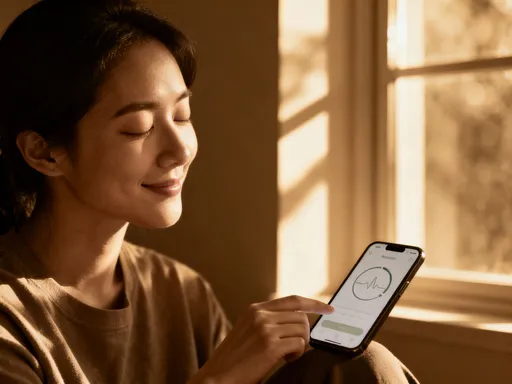
What I learned is that not all health trackers are made for real life—especially not for women like us, who are already managing so much. The right app for me was one that didn’t add to my mental load. It had a clean, simple interface. No complicated menus. No pressure to hit unrealistic goals. It asked gentle questions like, “How are you feeling today?” and offered quiet nudges like, “Time to take a deep breath,” with a soft vibration on my wrist. That small difference—kindness over pressure—made all the difference.
I also cared about privacy. I didn’t want my mood logs or sleep data shared with advertisers or third parties. The app I chose kept everything private, stored securely, and didn’t push social sharing. That was important to me. This wasn’t about posting my progress for likes. It was about understanding myself in a safe, personal way. And because it felt so low-pressure, I actually stuck with it. I didn’t have to be perfect. I just had to show up. Over time, the app became less of a tool and more of a companion—one that reminded me to care for myself without guilt or judgment.
Beyond Steps and Sleep: Tracking What Truly Fuels Me
At first, I thought health tracking was just about steps, sleep, and heart rate. But the more I used the app, the more I realized how much deeper it could go. I started logging things that seemed small but turned out to be powerful: how much water I drank, when I got sunlight, how I felt after certain meals, even my emotional state at different times of day. I began to see connections I’d never noticed before. For example, on days when I stepped outside within an hour of waking—just a short walk around the block with my coffee—I felt more alert and less anxious. The app didn’t tell me this was important. I discovered it by seeing the pattern over time.
Another surprise was how screen time affected my energy. I’ve always loved reading and working on my laptop, but the app showed me that on days when I spent more than four hours on screens before lunch, I felt mentally drained by midday. That didn’t mean I had to give up my work or hobbies. It just meant I needed balance. So I started taking short breaks—looking out the window, stretching, or stepping outside for fresh air. Those small shifts made a big difference.
Tracking my mood was another game-changer. I used to think of mood swings as something I just had to live with—part of being emotional or hormonal. But when I started logging how I felt each day and pairing it with other habits, I saw real patterns. I felt calmer on days when I moved my body, even if it was just dancing in the kitchen while making dinner. I felt more patient with my family on days when I’d eaten a balanced breakfast. And I felt more resilient when I’d gone to bed on time the night before. This wasn’t about fixing myself. It was about understanding myself. The app became a mirror, reflecting back what truly fueled me—not just physically, but emotionally and mentally.
Making It Stick: How Tiny Notifications Built Big Changes
You might think big changes require big efforts. But what really transformed my days were the smallest moments—the tiny nudges that helped me pause and choose differently. The app didn’t shout at me. It whispered. “Time to stretch?” “You’ve been sitting for an hour.” “Did you drink water today?” At first, I ignored some of them. But over time, I started responding. And each small action built momentum.
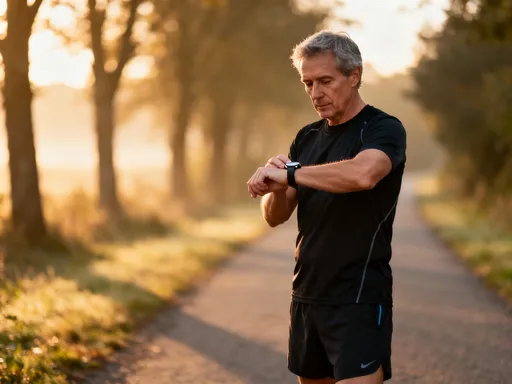
I remember one afternoon, I was deep in a work call when my watch gently vibrated. “Time to breathe,” it said. I almost dismissed it. But something made me pause. I took three slow breaths, right there in the middle of the meeting. No one noticed. But I felt it. My shoulders dropped. My mind cleared. That tiny moment of awareness changed the rest of my day. It wasn’t about perfection. It was about presence.
These micro-habits added up. I started taking the stairs instead of the elevator. I kept a water bottle on my desk and refilled it every time it was empty. I moved my body after meals—sometimes just a quick walk around the house. And because the app celebrated these small wins—“Great job staying hydrated today!”—I began to feel proud of myself in a new way. Not because I’d achieved something huge, but because I was showing up for myself, one small choice at a time.
The psychology behind this is simple but powerful. Our brains respond to consistency, not intensity. When we repeat a behavior often enough, it becomes automatic. The app helped me build those loops—trigger (notification), behavior (action), reward (feeling good). Over time, I didn’t need the reminders as much. The habits had become part of my rhythm. And that’s when I knew something real had changed.
Sharing with Care: When Tracking Strengthens Connection
One thing I didn’t expect was how health tracking could bring me closer to the people I love. I’m not talking about posting updates on social media or competing with friends on step counts. That never appealed to me. But I did start sharing small moments with my closest friend—someone who also struggles with energy and balance. We began sending each other simple messages: “I moved for 10 minutes today!” or “I drank three glasses of water before noon!” Nothing fancy. Just real, quiet encouragement.
It became a way to care for each other without pressure. We weren’t trying to fix each other. We were just saying, “I see you. I’m with you.” And that made all the difference. On days when I felt too tired to move, her message would pop up: “I took a walk today. Thinking of you.” And suddenly, I’d want to get up and try too. It wasn’t about competition. It was about connection.
I also used the app to support my mom, who sometimes forgets to take her medication. With her permission, I set up gentle reminders on her phone—soft chimes with messages like, “Time for your vitamins.” She didn’t want to feel monitored, so we kept it light and kind. Now, she texts me when she’s taken them: “Your little alarm worked again!” It’s a small thing, but it helps her feel supported and independent at the same time. Health tracking, when done with care, can strengthen relationships—not replace them.
When Data Meets Intuition: Learning to Trust Both
There was a time when I became too reliant on the numbers. I’d feel guilty if I didn’t hit my step goal. I’d stress if my sleep score was low. I started treating the app like a report card, and myself like a student who kept failing. That’s when I realized I was missing the point. The data wasn’t there to judge me. It was there to guide me.
I had to learn to balance the numbers with how I actually felt. Some days, my sleep score was low, but I woke up feeling refreshed. Other days, I hit all my goals but still felt off. That’s when I started asking better questions: What else was going on? Was I stressed? Did I eat something that didn’t agree with me? Was I comparing myself to someone else’s pace? The app gave me clues, but I had to interpret them with compassion.
This is where intuition comes in. Over time, tracking helped me tune in to my body’s natural rhythms. I began to recognize when I needed rest, even if the app didn’t tell me. I learned when to push forward and when to slow down. The data didn’t replace my inner wisdom—it sharpened it. I stopped chasing perfection and started honoring progress. And that shift—from external validation to internal trust—was one of the most powerful changes of all.
The Calm Confidence That Comes From Knowing Yourself
Looking back, health tracking didn’t just change my habits. It changed how I see myself. I used to feel like I was constantly falling short—too tired, too busy, not doing enough. Now, I feel a quiet confidence. I know what helps me feel my best. I know when I need to rest. I know how to recharge. That doesn’t mean I’m perfect. Some days are still hard. But I face them with more clarity and less fear.
This journey wasn’t about fixing myself. It was about befriending myself. The app didn’t give me answers. It helped me ask better questions. And in the process, I discovered that I already had the wisdom I needed—I just hadn’t been listening. Now, I make decisions from a place of care, not stress. I choose what supports me, not what I think I should do. That’s the real gift of health tracking: it’s not about control. It’s about connection—with your body, your needs, and your life.
If you’ve ever felt overwhelmed, exhausted, or out of sync, I want to invite you to try this—not as a fix, but as a kind companion. Start small. Notice one thing. Drink a glass of water. Step outside for two minutes. Breathe. Let the data guide you, but don’t let it define you. Trust your own rhythm. Because when you start paying attention, you might just discover that the answers were inside you all along. And that, more than any number on a screen, is where true well-being begins.